DONATE
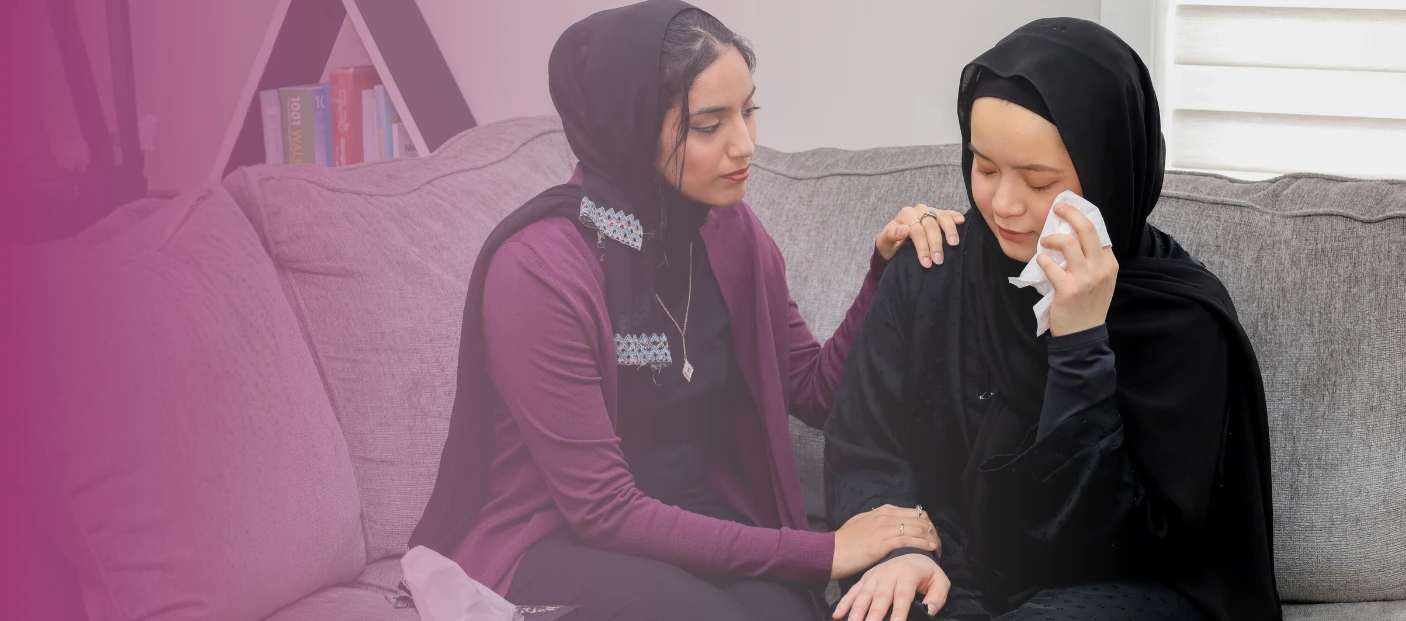
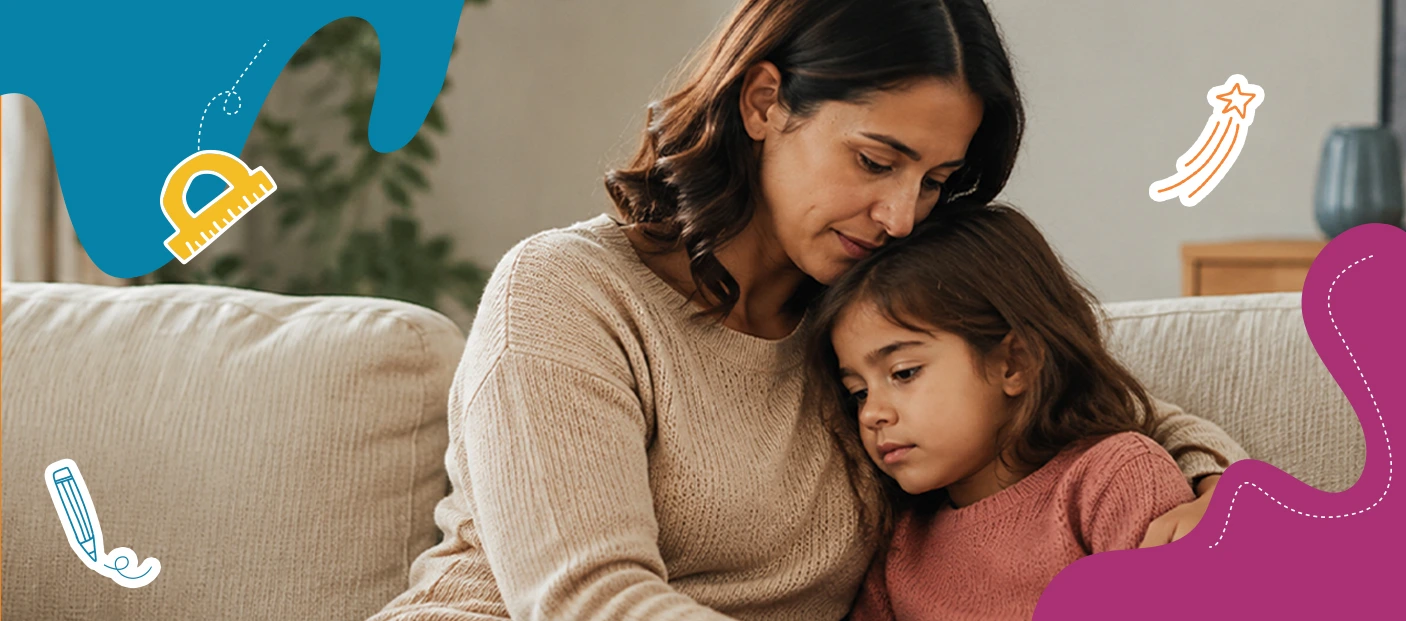
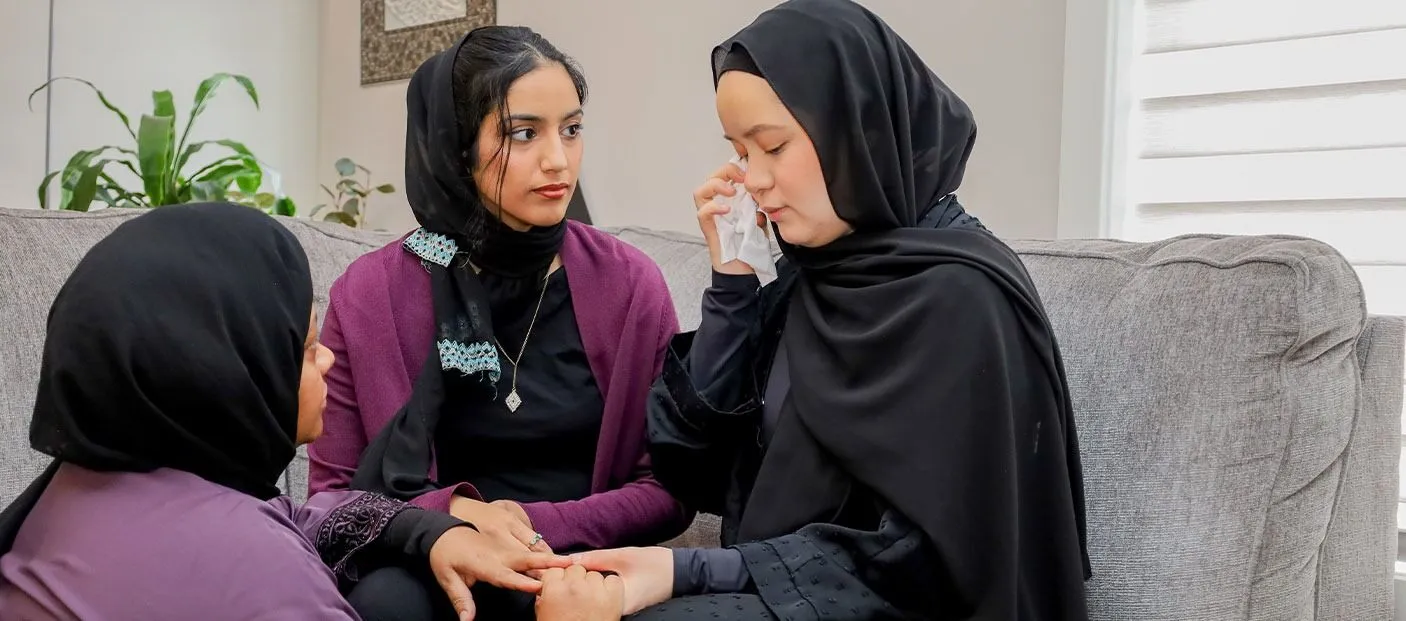
You listened. You comforted her. You helped her find the courage to leave.
And then, she went back.
Maybe you're feeling frustrated, confused, worried, or even helpless. You want her to be safe, but you don't understand why she would return to someone who has hurt her.
Here's what you need to remember: Returning to an abusive relationship doesn't mean the abuse has stopped. And it doesn't mean she no longer needs your support.
This November, during Women's Abuse Prevention Month, let's talk about how to support someone experiencing domestic violence, even when their decisions are difficult to understand.
Leaving an abusive relationship is rarely as simple as walking away.
A survivor may return because of financial dependence, concerns about her children, family or community pressure, emotional attachment, threats, or fear of what her abuser might do if she leaves.
Abuse can also involve cycles of manipulation, apologies, promises to change, and periods of affection that make leaving even more complicated.
Returning doesn't mean she chose abuse. It means she is navigating a difficult and potentially dangerous situation.
And while you may not agree with her decision, your response can make a difference in whether she feels safe reaching out again.
Even if you're frustrated, avoid comments like "Why would you go back?" or "After everything we did for you?"
These reactions can increase feelings of shame and isolation.
Instead, try saying: "I'm worried about your safety, but I care about you, and I'm still here."
One of the most important things you can do is remind her that your support isn't conditional on leaving.
Continue checking in, inviting her to spend time together, and maintaining your connection whenever it's safe to do so.
A simple "I'm thinking of you" can remind her she's not alone.
It's natural to want to offer solutions. But repeatedly telling someone to leave can make them feel pressured or misunderstood.
Instead, ask what kind of support would be helpful right now.
Try asking: "What do you need from me today?"
Sometimes, being heard without judgment is exactly what someone needs.
Whether she stays, leaves, or returns, her safety matters.
Encourage her to develop a safety plan that considers trusted contacts, emergency resources, important documents, and a safe place to go if needed.
Remember that an abusive partner may monitor her phone or messages, so communicate in ways that are safe for her.
You don't have to have all the answers. Helping her connect with professional support can make a difference.
Abuse can slowly damage a person's confidence and sense of self-worth.
Remind her that she deserves respect, safety, and dignity, regardless of whether she's ready to leave.
Avoid criticizing or blaming her. Instead, reinforce that the abuse is not her responsibility.
Most importantly, remind her that asking for help will never be something to be ashamed of.
You may not be able to change her circumstances today. You may not know when, or if, she'll decide to leave.
But you can make sure she knows that she has someone who will listen, believe her, and help her explore her options without judgment.
Because supporting a survivor isn't about making the decision for her. It's about making sure she doesn't have to face it alone.
If you or someone you know is experiencing domestic violence, Nisa Foundation is here to help.
Our Nisa Helpline offers free, confidential, culturally responsive and faith-informed support to women who need someone to talk to, guidance, or help exploring their options.
Call Nisa Helpline: 1-888-711-6472
Available 7 days a week, 8 AM–12 AM ET