

.svg)


DONATE
Ramadan is a beautiful but busy time for Muslims across Canada. Between fasting, preparing meals, working, school or childcare, and making time for ibadah, it’s easy to feel tired or stretched thin. Looking after your health doesn’t take away from the spiritual experience, it actually helps you make the most of this blessed month.
By paying attention to what you eat, how you rest, and how you manage your daily routine, you can move through Ramadan feeling more balanced, energized, and supported, even while staying indoors or braving the chilly winter weather.
In Canadian winters, heated indoor spaces can dry out your body. Try to drink water regularly between iftar and suhoor instead of all at once.
Staying hydrated is key for energy, focus, and overall well-being.
You don’t need a gym membership to stay healthy during Ramadan. Light movement helps with digestion and keeps energy steady.
Listen to your body and rest when needed, especially on colder or snowy days.
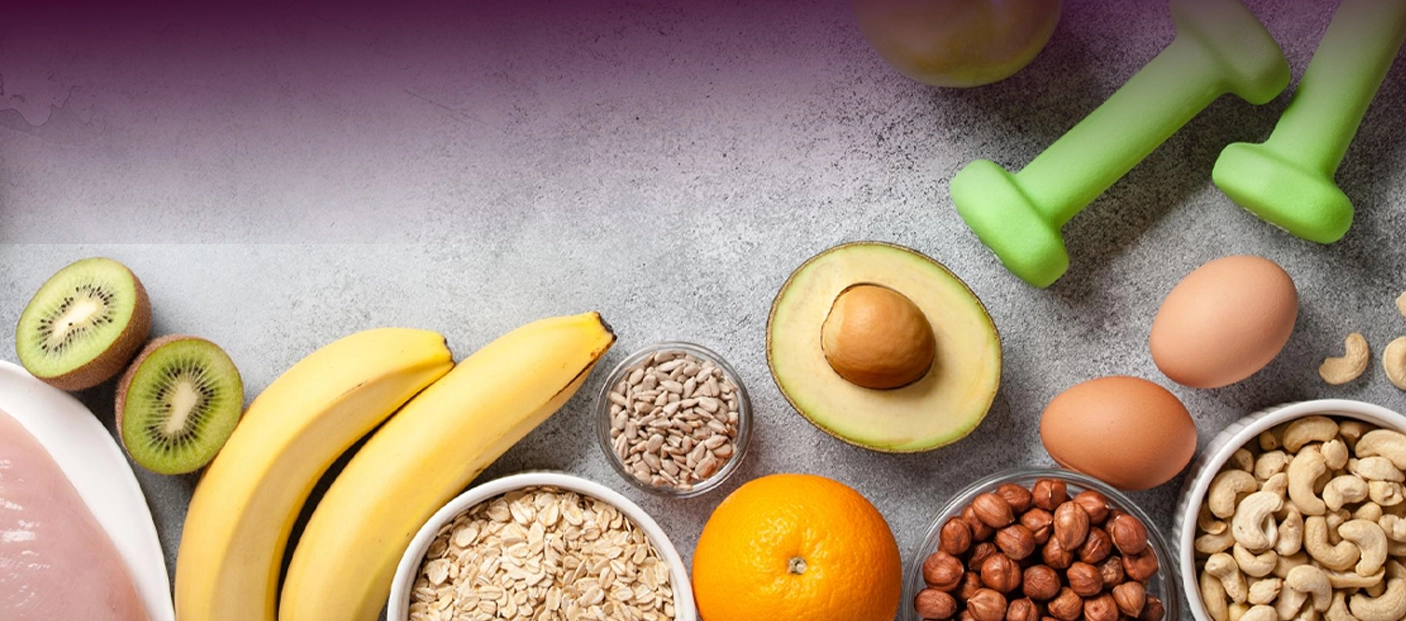
Suhoor helps you stay full and energized. Choose foods that release energy slowly:
Avoid very salty or sugary foods, which can make you thirstier during the day.
After fasting, it’s tempting to eat quickly or overindulge. Start gently to feel better and avoid stomach discomfort:
Eating slowly and mindfully keeps your energy steady for evening prayers and family time.
Between work, school, family responsibilities, and community events, life can be hectic. It’s okay to simplify your schedule.
Share responsibilities with family, friends, or neighbours. Ramadan is about community, not doing everything alone.
Ramadan can affect sleep schedules. Getting good rest is key for energy, mood, and immunity.
Even small changes can make a big difference in energy levels.
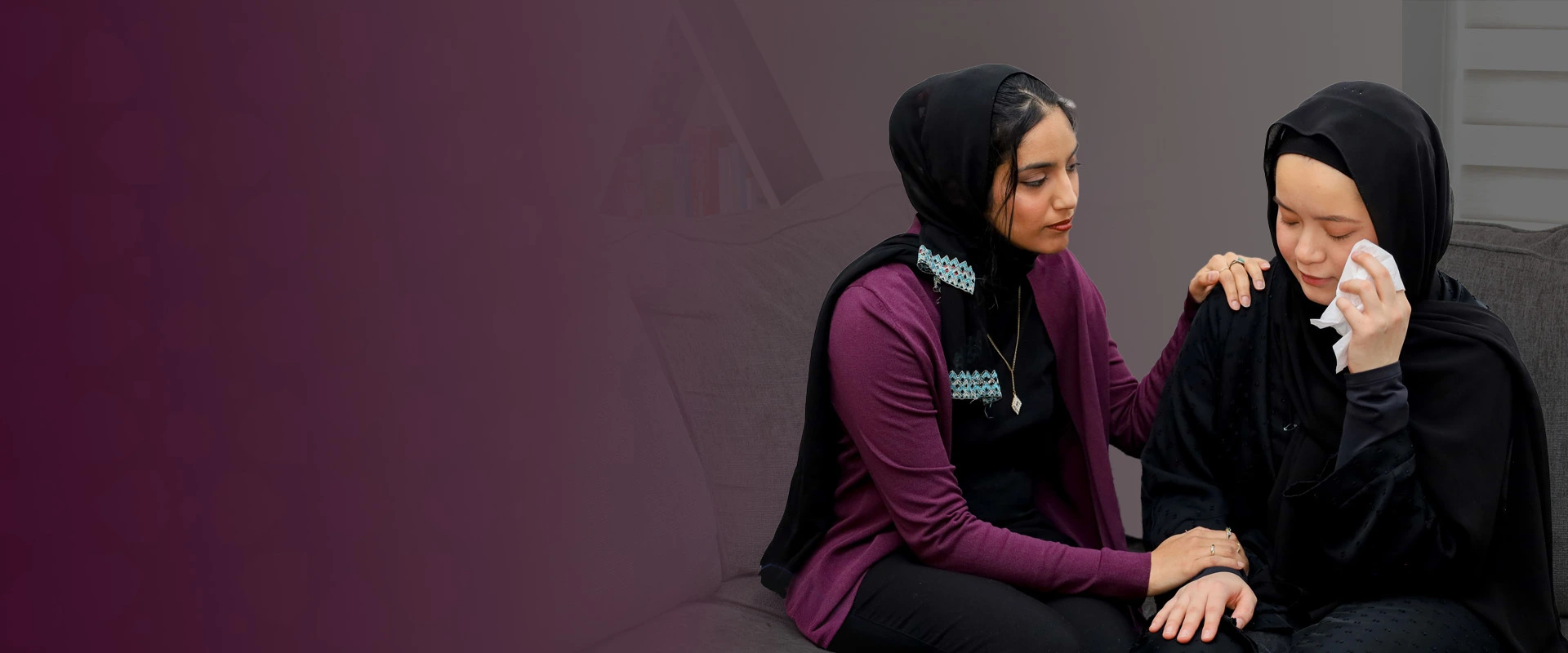
Ramadan is not just physical, it’s about mental and spiritual balance.
Feeling fatigued or overwhelmed doesn’t mean you’re doing Ramadan “wrong”, it means you’re human.
Staying healthy during Ramadan is about balance, not perfection. Small, thoughtful choices around food, hydration, rest, and routines help you feel energized, present, and spiritually connected.
At Nisa Foundation, we encourage everyone to prioritize well-being alongside faith. By caring for your health, you can fully enjoy the spiritual rewards of Ramadan, support your loved ones, and show up as your best self in your community.
May this Ramadan bring you strength, ease, and peace

































































.webp)


.webp)












.webp)








.svg)


.svg)


