

.svg)


DONATE
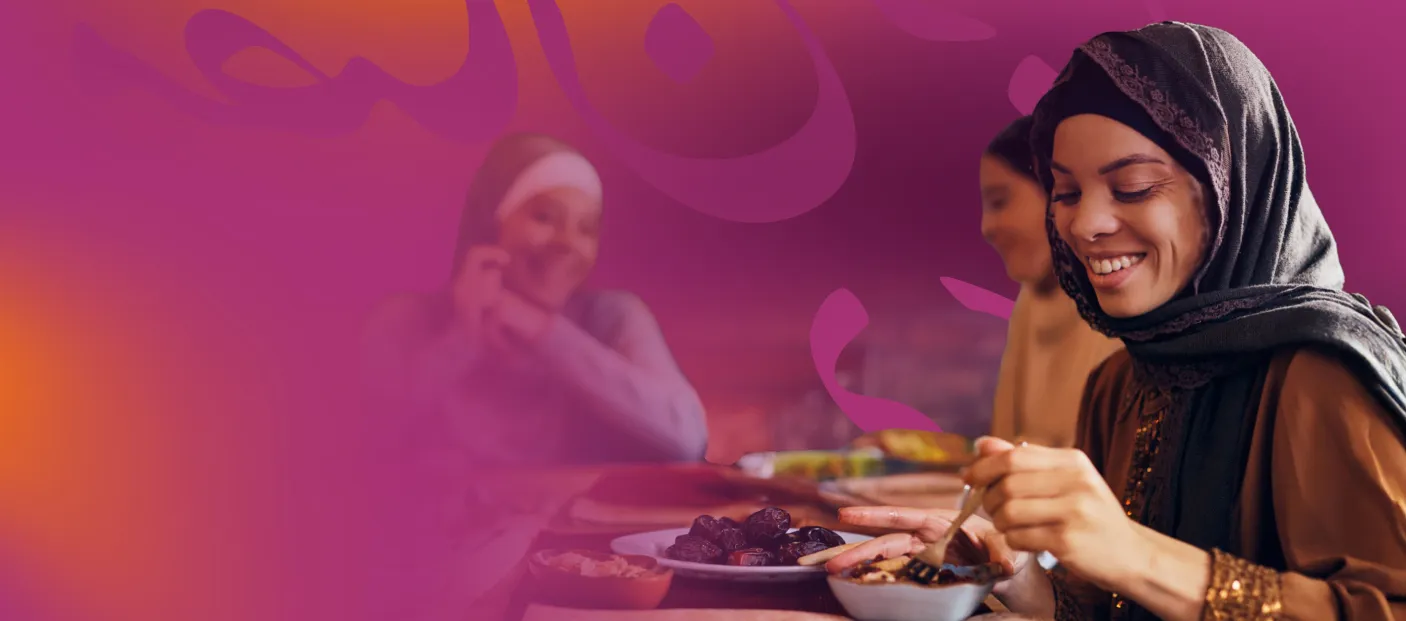
Ramadan is a time of reflection, gratitude, and compassion. Fasting during this month is a personal act of worship, but one of the most rewarding ways to earn blessings this month is by feeding someone who is fasting.
Feeding people is a cornerstone of Islamic virtue, a noble act that brings immense rewards from Allah (SWT) and offers support to those in need. The profound importance of feeding people and especially those who are fasting is highlighted throughout the Quran and the Hadith, serving as a powerful reminder for Muslims.
Here are 3 virtues of feeding a fasting person that show why it’s so beloved in Islam:
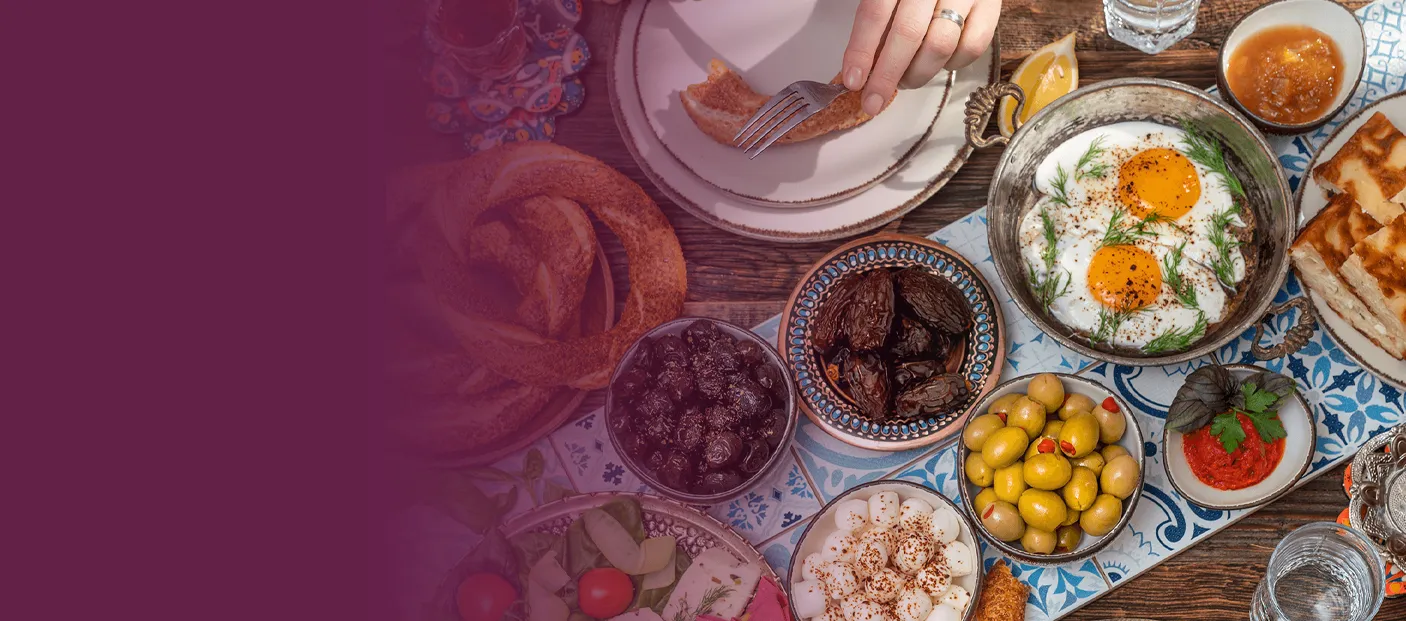
Feeding a fasting person is one of the most rewarding acts you can do in Ramadan. When you provide food for someone to break their fast, you don’t just fill their stomach, you earn reward equal to their fast. Even something as simple as offering dates, water, or a wholesome meal carries immense spiritual benefit. Prophet Muhammad ﷺ said:
“Whoever gives food for a fasting person to break their fast… for him is the same reward as the one fasting.” — (At-Tirmidhi)
Feeding others is a means to earn Allah’s pleasure and a form of sadaqah jariyah. Every meal you provide brings comfort, hope, and care to someone in need, creating blessings that ripple beyond the moment.
The Qur’an reminds us:
“And they give food, in spite of love for it, to the needy, the orphan, and the captive, [saying] ‘We feed you only for the countenance of Allah. We wish not from you reward or gratitude.’” — (Surah Al-Insan 76:8-9)
Ramadan is not just about individual worship; it’s about caring for others and strengthening bonds. Sharing iftar with someone who is fasting is a powerful way to show empathy, kindness and compassion.
A shared meal can lift spirits, create hope and remind those in need that they are not alone. Small acts of generosity, like providing iftar, ripple through families and communities, spreading love and encouraging others to give as well.
For many families and women, especially those facing financial challenges or homelessness, a proper iftar is not guaranteed. Feeding a fasting person goes beyond charity, it directly meets a need, transforming hunger into nourishment and worry into relief.
Even a small donation can provide a wholesome meal, offering dignity, comfort, and hope. In Ramadan, these simple gestures of care carry immense weight and impact, leaving a lasting mark on the lives of those who need it most.
For the women and children at Nisa Foundation, Iftar is more than just a meal, it’s a moment of comfort, safety, and hope at the end of a long day. By providing Iftar, you help remove one of the many barriers women face while rebuilding their lives after abuse, homelessness, and trauma, and you show children the true spirit of Ramadan: compassion, care, and community.
This Ramadan, your generosity can be the reason a mother feels supported, a child feels safe, and a family breaks their fast with peace in their hearts.






























































.webp)


.webp)
















.webp)










.svg)


.svg)


