DONATE

“You’ll lose your PR if you leave me.”
“I brought you to Canada. You owe me.”
“Who are you going to turn to? You have no one here.”
For some immigrant and newcomer women, these are not just hurtful words. They are threats designed to make leaving an abusive relationship feel impossible.
Imagine moving to a new country, leaving behind your family, friends, and everything familiar, believing you are beginning a new chapter with someone you trust. But instead of finding love and security, you find yourself in a relationship where your immigration status is used against you.
The person who promised you a future becomes the person making you afraid of losing it.
During the 16 Days of Activism Against Gender-Based Violence, we need to talk about a form of abuse that often goes unnoticed: using immigration status to control a partner.
Marriage should be built on trust, respect, and partnership. But for some women, it becomes a relationship shaped by fear and dependence.
In some cases, an abusive man may deliberately seek a wife from another country because he believes she will be easier to control. He may assume that a woman who is new to Canada, unfamiliar with the language, or separated from her family will have fewer opportunities to challenge his behaviour or leave.
What begins as promises of a better future can gradually turn into restrictions.
He may discourage her from making friends, learning English, working, or becoming financially independent. He may control her money, withhold important documents, or remind her that he is the reason she is in Canada.
And when she begins to question the relationship, he may threaten her immigration status.
This is not love or protection. It is control.
The concern is not international marriage itself, but when someone deliberately exploits another person's vulnerability to maintain power over them.
Abuse does not always leave visible bruises.
Sometimes, it sounds like:
These threats can be especially frightening for someone unfamiliar with Canada's immigration system.
An abusive partner may spread misinformation, hide documents, interfere with immigration applications, or prevent a woman from seeking independent advice. Over time, she may begin to believe that her ability to stay in Canada or keep her family together depends entirely on keeping her partner happy.
That fear can become the very thing that keeps her trapped.
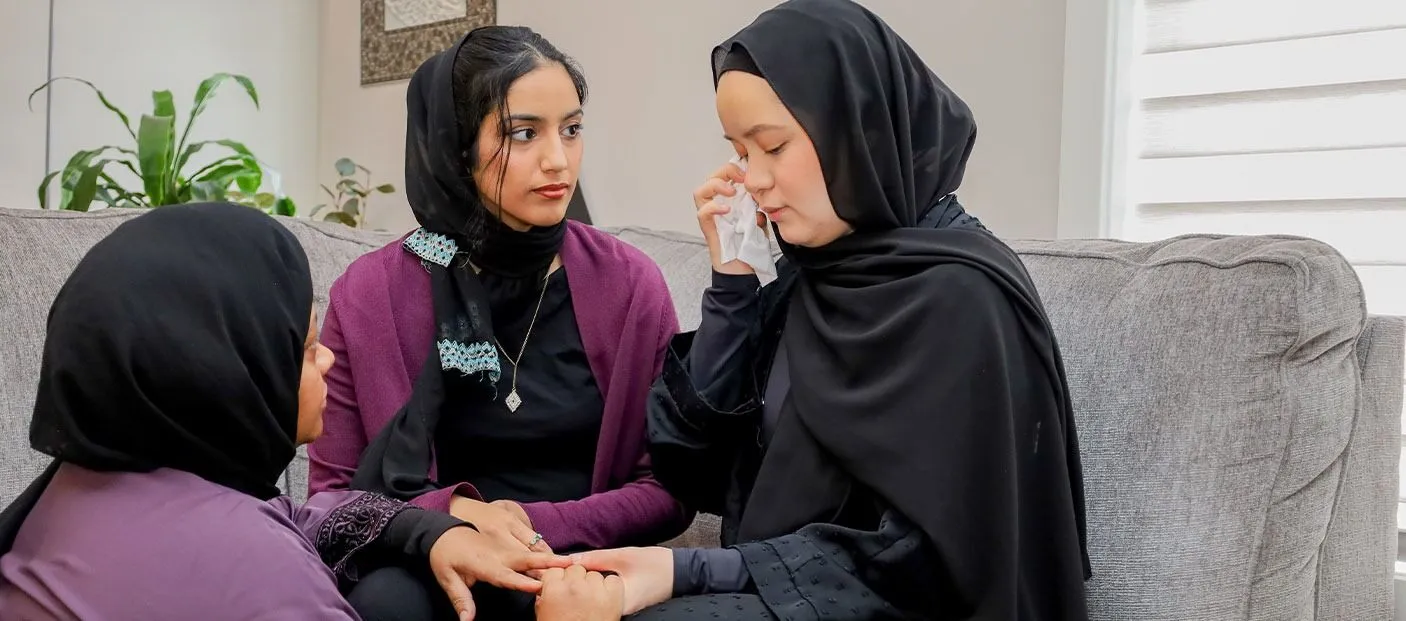
Leaving an abusive relationship often takes more than one attempt. Survivors may try to leave several times before they are able to separate permanently.
Now imagine trying to leave when you have no family nearby, limited savings, nowhere to stay, and a partner who has convinced you that you could lose your right to remain in Canada.
For immigrant and newcomer women, fears about deportation, financial dependence, family pressure, and the stigma of divorce can make an already difficult decision feel impossible.
Staying does not mean the abuse is acceptable. It may mean a woman is trying to survive with the options she believes she has.
Being sponsored by a spouse does not give that person ownership over their partner or the right to control their decisions.
And while immigration circumstances vary, leaving an abusive relationship does not automatically mean someone will be deported from Canada or lose their permanent resident status.
An abusive partner may make threats sound like facts. But what someone says about your immigration status is not necessarily true. That is why access to trustworthy information and compassionate support matters.
If your partner is threatening your immigration status, withholding documents, or making you afraid to seek help, you do not have to navigate the situation alone.
If it is safe to do so, consider reaching out to a trusted friend, settlement organization, women's support service, or qualified legal professional.
Nisa Foundation is here to support women experiencing abuse and difficult circumstances. Through culturally responsive services, we provide compassionate support and a safe place to turn as women navigate challenging situations and work toward rebuilding their lives.
You do not need to have every answer before reaching out.
If you are in immediate danger, call 911.
For many women, moving to Canada represents hope for a better future, a loving marriage, and a safe place to build a life.
No one should be able to turn that hope into a means of control.
During the 16 Days of Activism Against Gender-Based Violence, let's recognize the forms of abuse that are often hidden behind closed doors, including the threats, manipulation, and isolation that can affect immigrant and newcomer women.
A woman's right to safety, dignity, and respect should never depend on her relationship status or where she was born.
If you or someone you know is experiencing abuse, reach out to Nisa Foundation to learn more about available support.
*This article provides general information and is not legal or immigration advice. Immigration options depend on individual circumstances. Consider speaking with a qualified legal or immigration professional for advice about your specific situation.