

.svg)


DONATE

"How was school today?"
"Good."
"What did you do?"
"Nothing."
If this conversation feels familiar, you're not alone. Many parents want to hear more about their child's day, but after a long day of learning, socializing, and following a busy schedule, children may not always know how to open up.
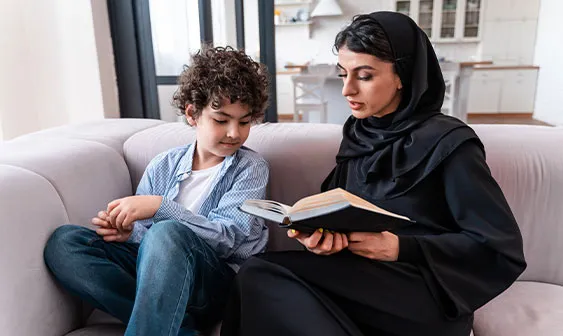
The moments after school can be a powerful opportunity to reconnect, understand what your child is experiencing, and remind them that home is a safe place where they are seen, heard, and supported.
Meaningful conversations don't always require big questions or long discussions. Often, they begin with small moments of connection.
Children experience so much throughout their school day; new lessons, friendships, challenges, emotions, and moments of growth.
Taking time to talk with your child after school can help you:
Regular conversations show children that their thoughts and feelings matter. When children feel heard , they are more likely to come to their parents when they need support.
A simple question can reveal important moments:
Helping children name their feelings teaches them that all emotions are important and gives them the tools to express themselves in healthy ways.
Small daily conversations can become memorable family traditions that strengthen relationships over time.
While asking about your child's day shows that you care, broad questions can sometimes feel overwhelming.
After spending hours at school, children may not know where to start. They may also respond with short answers because they are tired, distracted, or still processing their experiences.
Instead of asking questions that can be answered with one word, try questions that invite your child to share a story.
For example:
❌ How was school?
✅ What made you smile today?
❌ Did you have fun?
✅ What was the most interesting thing you learned today?
❌ Did anything happen?
✅ Was there a moment today that surprised you?
The best conversation may not happen the second your child walks through the door. Some children need time to rest, have a snack, or transition from school mode.
Try different moments:
Find what works best for your family.
Children are more likely to open up when they feel heard.
Try:
Sometimes, children don't need an answer; they just need someone who will listen to them.
Instead of focusing only on what happened, ask questions that help your child think about their feelings, relationships, and experiences.
Examples:
These questions encourage children to reflect on kindness, resilience, gratitude, and personal growth.
Connection goes both ways.
Sharing a small part of your own day can make conversations feel more natural:
This shows children that everyone has feelings, challenges, and moments worth celebrating.
For many families, conversations are also an opportunity to nurture gratitude and faith.
Simple questions can help children recognize blessings and build a habit of reflection:
These small reminders can help children develop gratitude and strengthen their connection to their faith.
You don't need a perfect question or a long conversation to connect with your child.
A few minutes of genuine attention each day can help your child feel valued, understood, and supported.
At Nisa Foundation, we believe that strong families are built through everyday moments. That's why we created our After-School Conversation Cards, a collection of thoughtful prompts designed to help families connect, reflect, and create meaningful moments together.
Looking for easy ways to start meaningful conversations with your child?
Download our free printable After-School Conversation Cards featuring thoughtful prompts to use at the dinner table, during car rides, or as part of your family's daily routine.



































































.webp)


.webp)
















.webp)









.svg)


.svg)


