

.svg)


DONATE
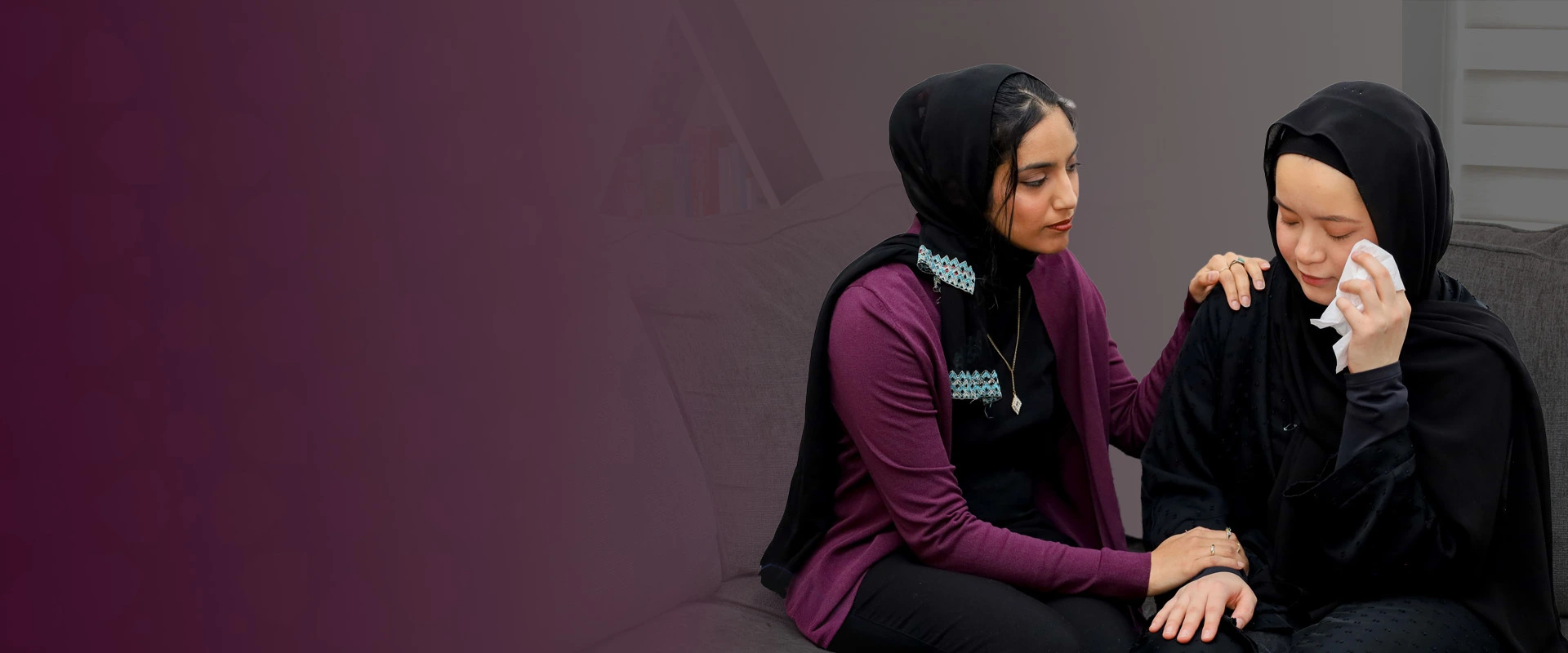
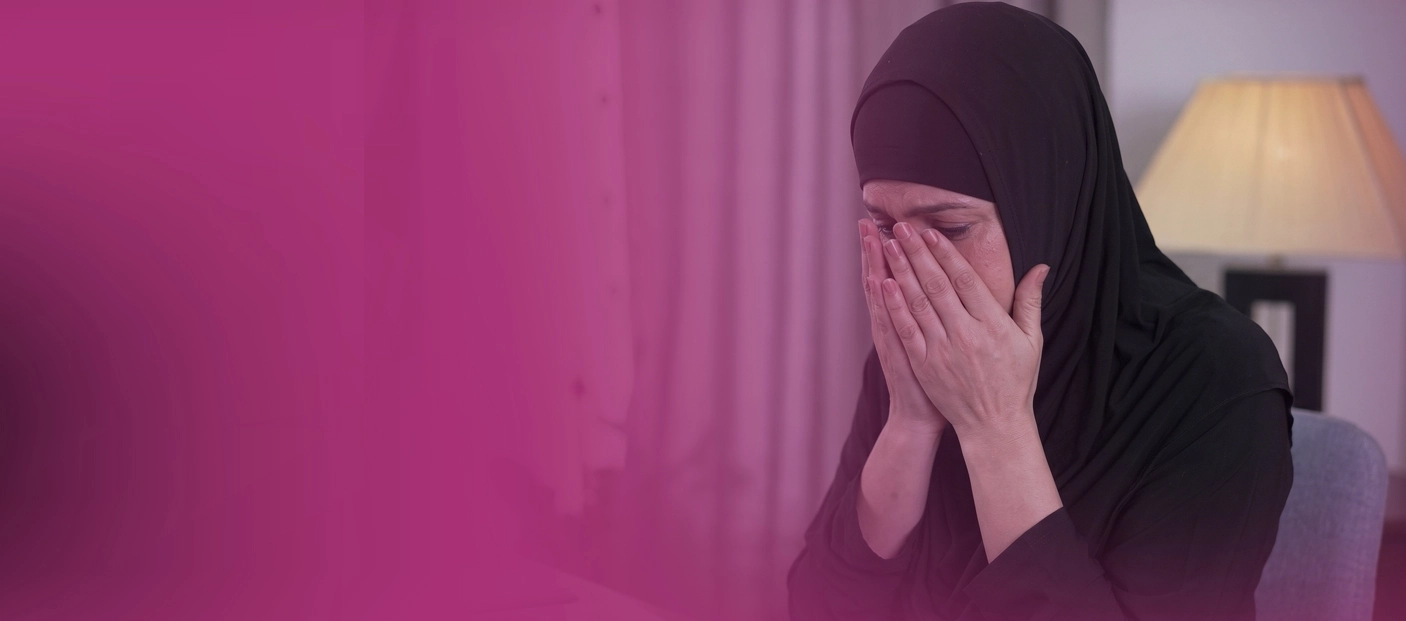
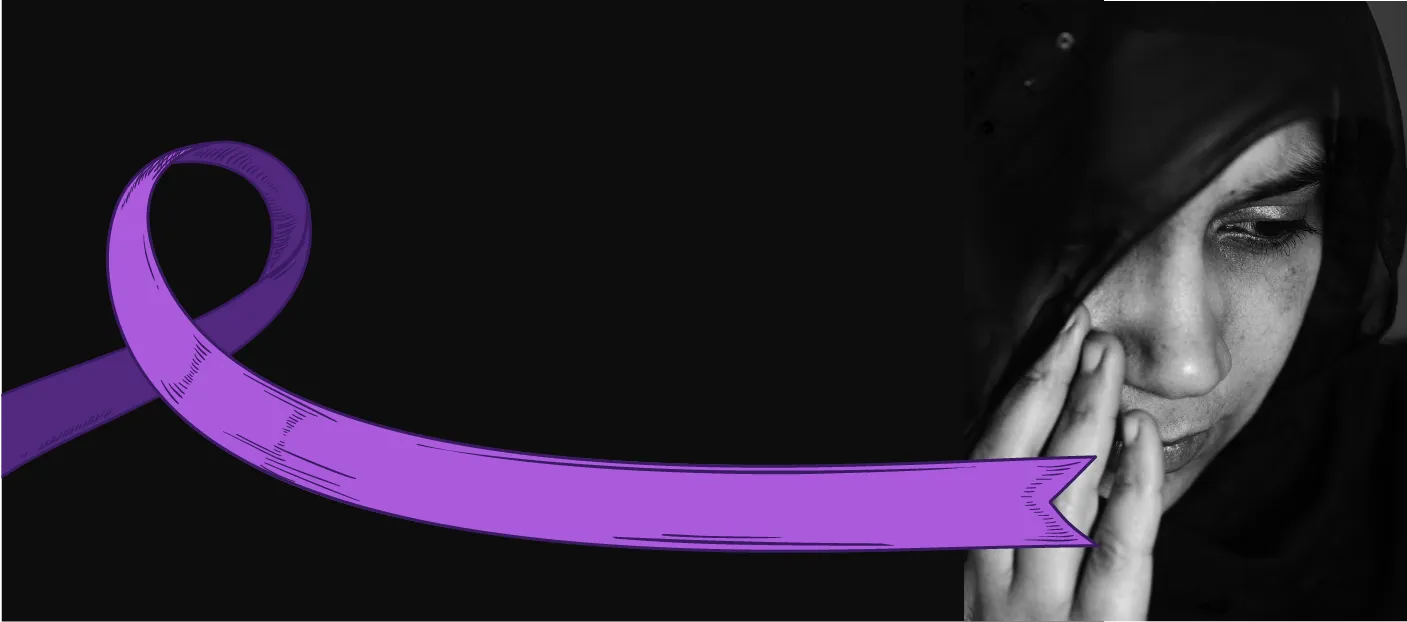
Domestic violence does not always leave visible scars.
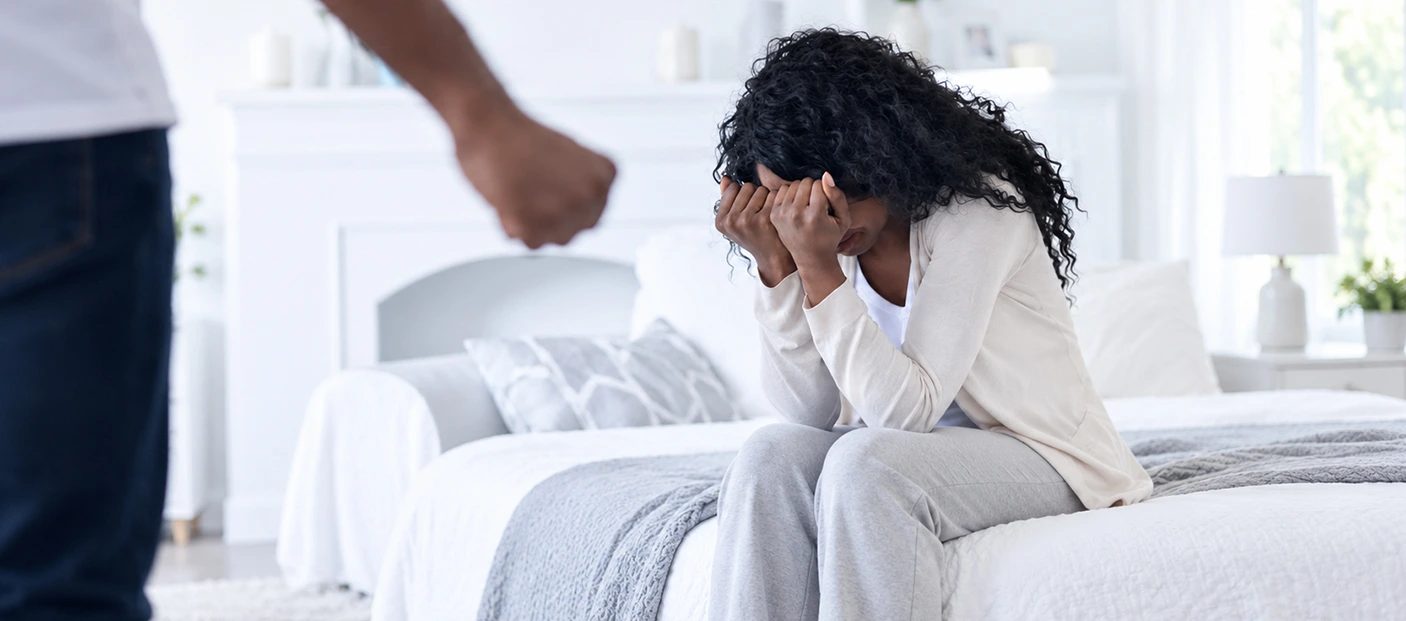
While physical violence is one form of abuse, domestic violence can also include emotional abuse, psychological manipulation, financial control, isolation, and other behaviors used to gain power and control over someone.
For many women experiencing abuse, asking for help can feel frightening or impossible. They may feel isolated, unsure if what they are experiencing is abuse, or worried about what could happen if they speak up.
That is why recognizing the warning signs of domestic violence matters. A caring friend, family member, neighbour or community member may be the first person to notice something has changed and the first person to offer a safe place to turn.
Domestic violence is a pattern of behaviours used by one person to control, intimidate, or harm another person within a relationship or family setting.
Abuse can take many forms, including:
Every situation is different. Someone experiencing domestic violence may not always recognize the abuse immediately, and they may not feel ready or able to leave.
Support starts with understanding.
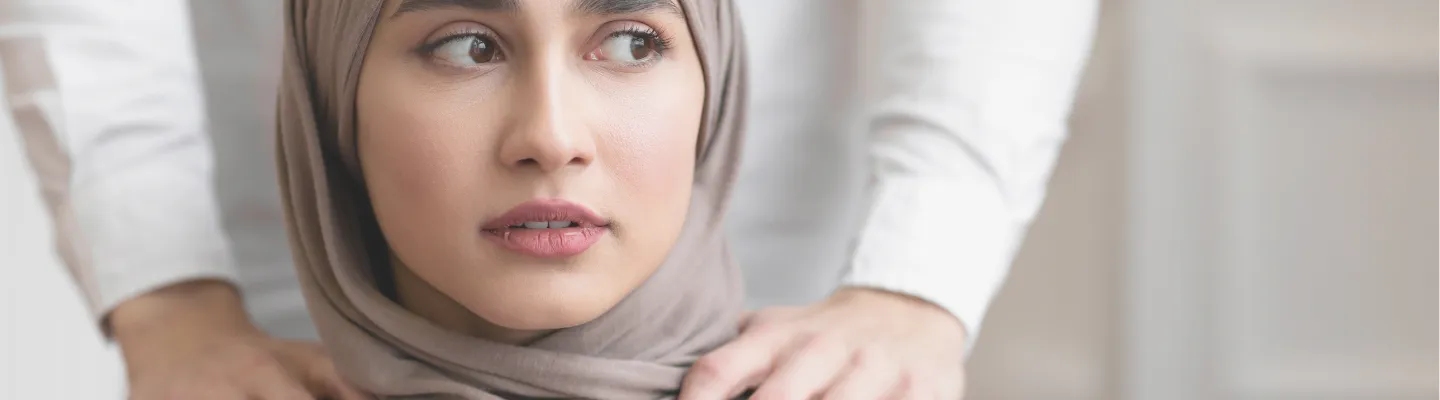
One of the most common warning signs of domestic violence is fear.
You may notice that someone:
A healthy relationship should allow someone to feel safe, respected, and free to be themselves.
Isolation is often a major part of abusive relationships.
Someone experiencing domestic violence may:
This isolation may happen gradually. Over time, it can make someone feel like they have no support system.
If you notice someone pulling away, a simple message of care and connection can mean more than you realize.
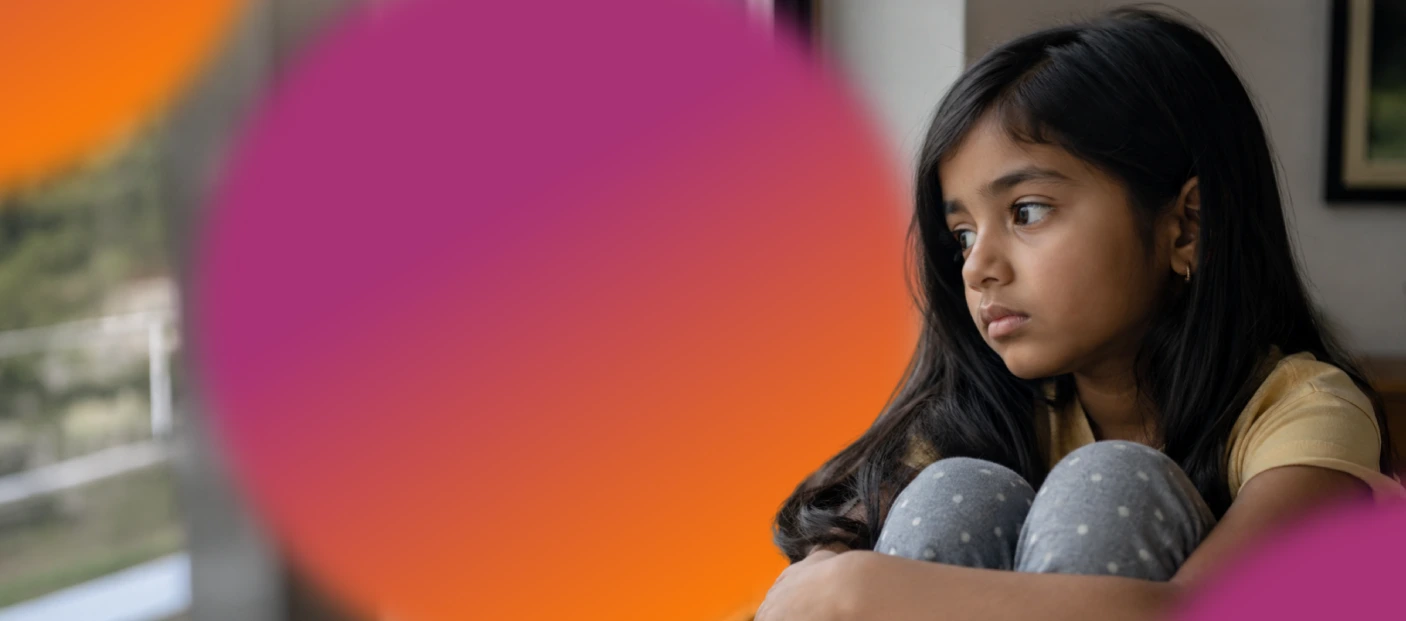
Domestic violence can deeply affect someone’s emotional wellbeing.
You may notice that your loved one:
When someone is repeatedly controlled or criticized, it can impact how they see their own worth.
Physical signs of abuse may include:
However, it is important to remember that abuse is not always visible. Many survivors experience emotional or psychological harm without physical injuries.
Financial abuse is a common but often overlooked form of domestic violence.
Signs may include:
Financial control can create barriers that make it difficult for someone to seek safety and independence.
Someone experiencing abuse may:
This does not mean they are choosing the situation. Many survivors use these coping strategies to protect themselves emotionally or physically.
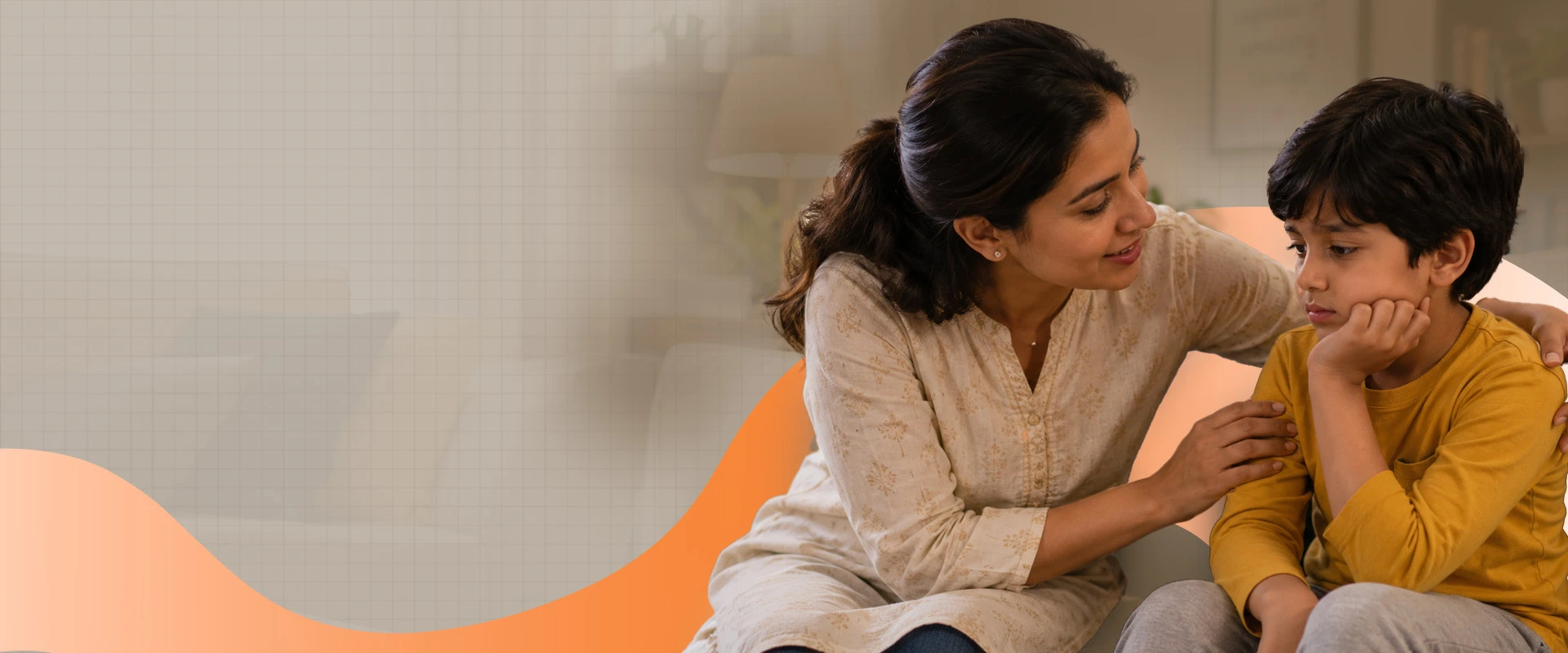
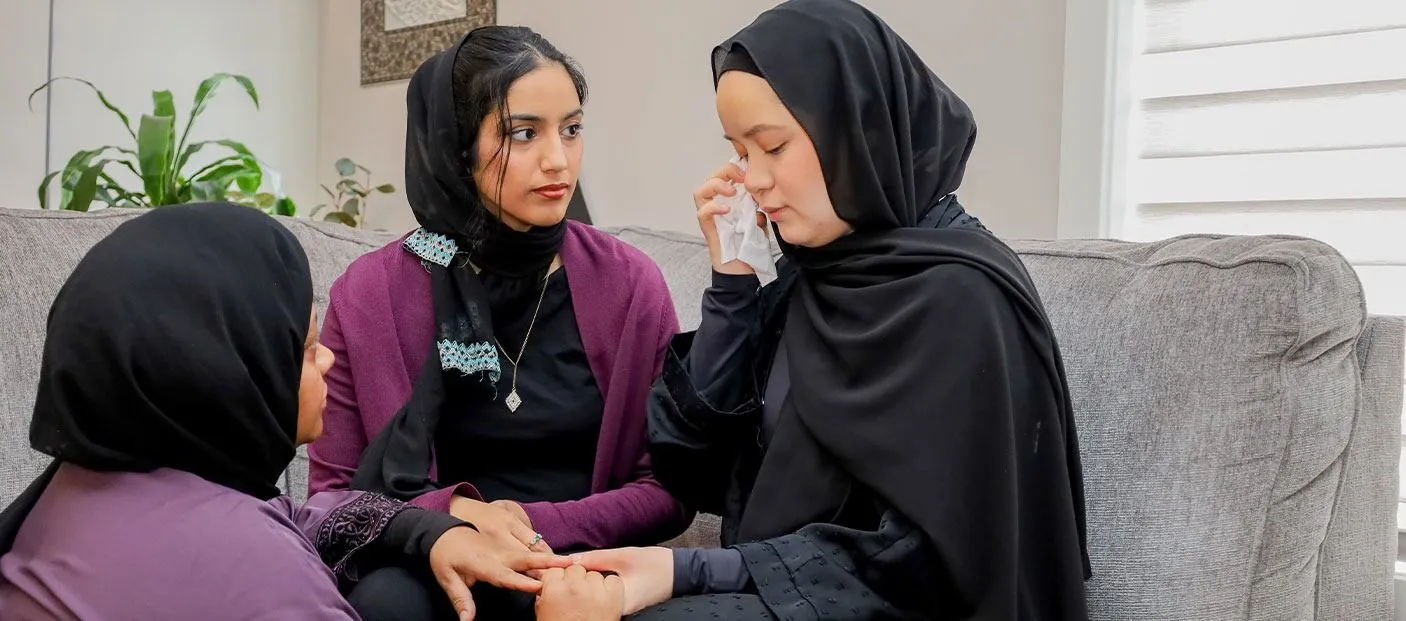
If you are concerned that someone you love may be experiencing domestic violence, your support can make a meaningful difference.
One of the most powerful things you can do is create a safe space for them to talk.
Try saying:
Avoid questions that may make them feel blamed, such as:
Leaving an abusive relationship is often complicated, and every survivor’s situation is different.
It can be difficult to watch someone you care about experience harm, but it is important to respect their decisions and timeline.
A person may face many barriers, including:
Your role is not to pressure them, it is to remind them they are not alone.
Small actions can provide meaningful support:
For many Muslim women experiencing domestic violence, seeking help can come with additional challenges. They may worry about stigma, family expectations, cultural pressures, or whether support services will understand their faith and background.
At Nisa Foundation, we provide culturally sensitive support for Muslim women and children experiencing domestic violence, homelessness, and trauma.
Through programs like Nisa Homes and the Nisa Helpline, women can access compassionate support, resources, and a safe space where they are heard and valued.
You do not need to have all the answers to support someone experiencing domestic violence.
Sometimes, the most meaningful first step is simply showing up with compassion.
A message.
A phone call.
A listening ear.
A reminder that they deserve safety and support.
By learning the signs of domestic violence, we can help create communities where survivors feel seen, believed, and supported.
If you or someone you know needs support, reach out today.







































.webp)


.webp)






.webp)





.svg)


.svg)


