

.svg)


DONATE
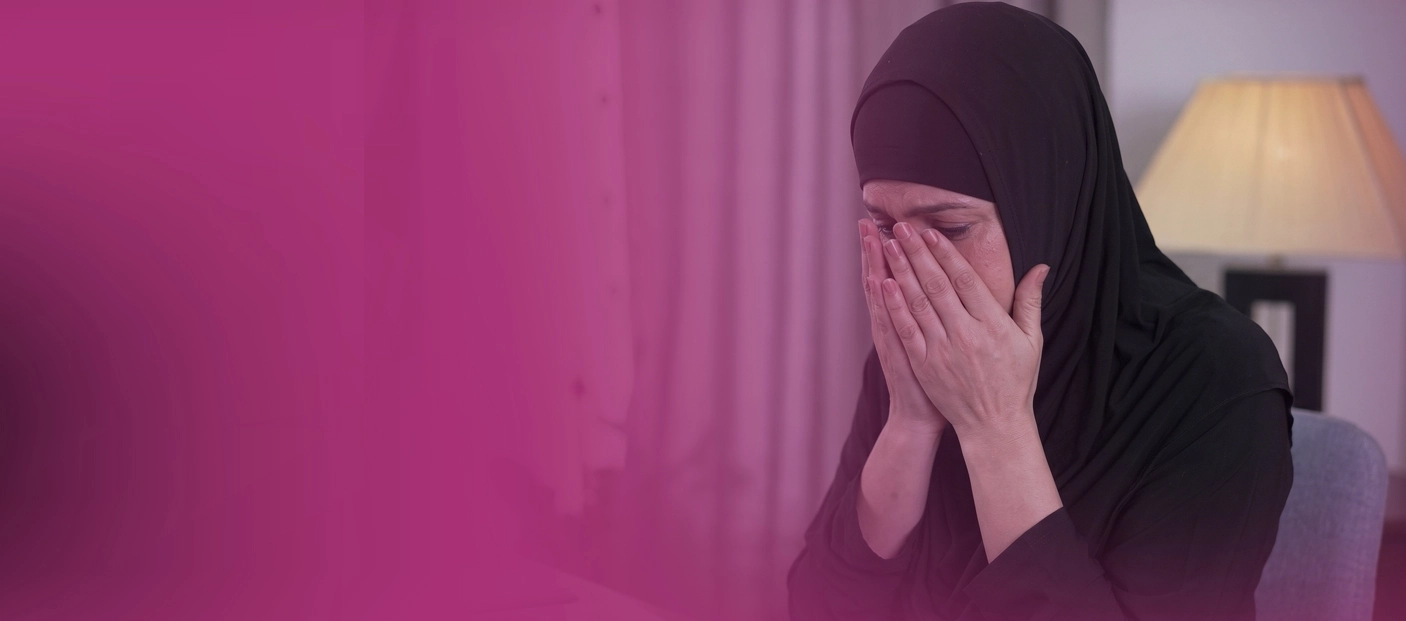
May is Mental Health Awareness Month. It is a time where we can educate not only others but ourselves about different types of mental illness, how mental health can show up in many ways, and how stigma and our unconscious biases can affect the way we see it. Mental health affects how we think, feel, and live our everyday lives, yet many people struggle in silence. This month helps us better understand others, show compassion, and recognize our own struggles without dismissing them. It also encourages us to start these conversations so we can create a space where people feel supported and not alone.
As a community, we are becoming more open about mental health and recognizing that Islam does not shy away from this topic, moving away from silence and creating space for these conversations. Many local mosques are now offering lectures and workshops that connect mental health to the stories of the Prophets and what they went through, helping people feel seen and understood. This is just one example of many ways the community is starting to address and talk about mental health. However, many Muslims today still confuse culture with religion and use it to justify certain stigmas, which goes against the true teachings of Islam.
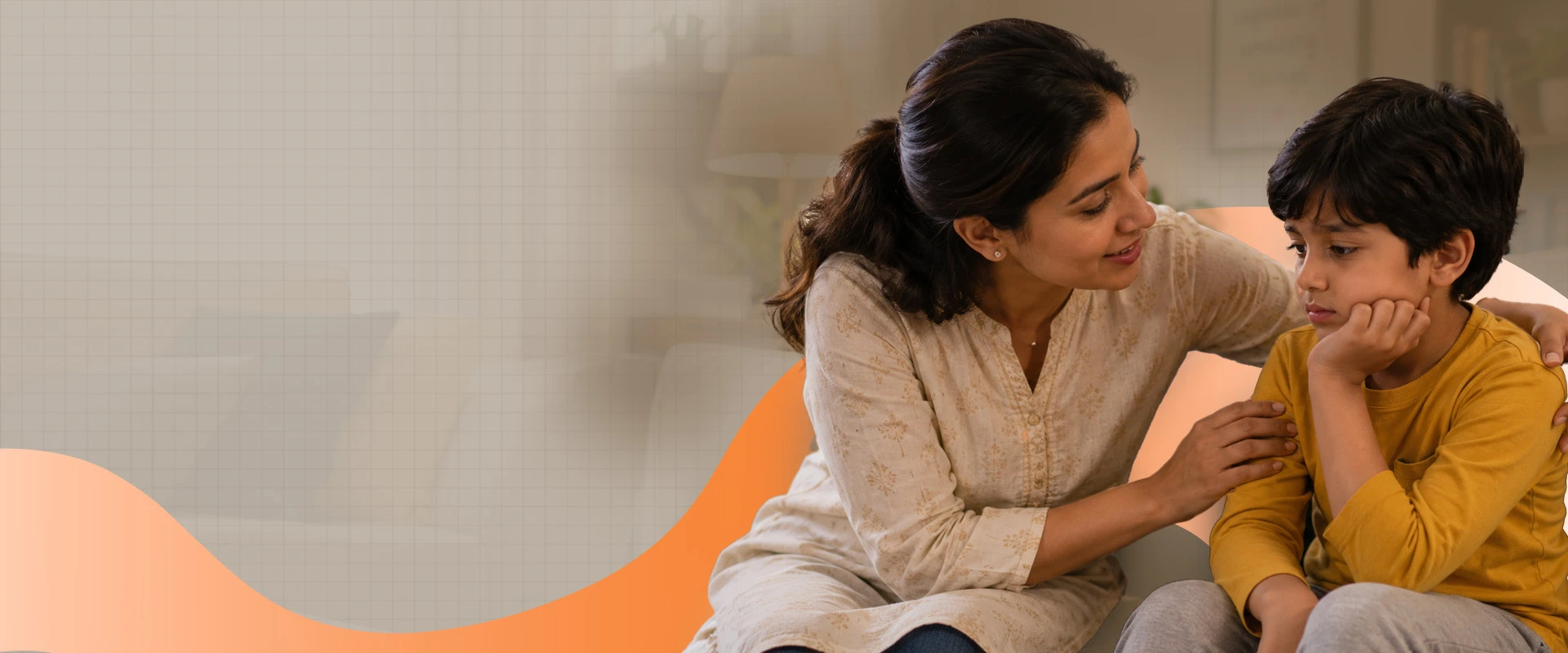
Mental illness can really take over someone’s life. It can affect our work, school, and home life, sometimes in more ways than we realize. It can take a serious toll on a person and even affect their physical health. Without recognizing it, it can begin to affect not only ourselves but also the people around us, especially those we love most, like our parents or our children, who may also feel the impact in ways we don’t always notice. This is why it is important to take mental health seriously and not ignore the signs, because early awareness and support can make a big difference.
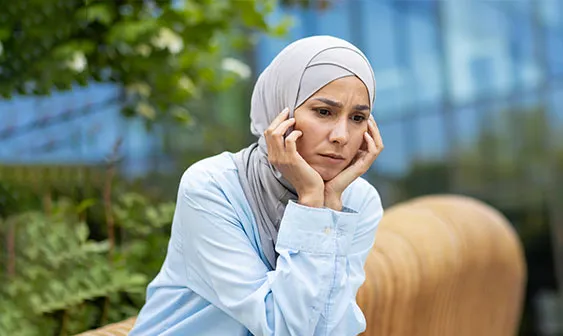
When it comes to others, we can often tell when someone isn’t really doing okay. We can sense that shift in their energy or behaviour. But when it comes to ourselves, it can be much harder to notice when something feels off. We may not feel like ourselves, but it’s easy to dismiss it or push it aside.
Sometimes the signs are small, like:
Ignoring these signs does not make them go away; it can actually push you further into your feelings. Just like we would want the people in our lives to choose themselves and get the help they need, we should do the same for ourselves. Taking that first step matters, even if it’s small. Being present with how you feel, instead of avoiding it, is where healing can begin.
Islam, as we mentioned before, does not shy away from the topic of mental health. Many of the Prophets went through different hardships and struggles, yet they never lost their trust in Allah. They turned to Him through dua and stayed connected to Him, trusting that He would ease their pain. For example, Prophet Yaqub (AS) experienced deep sadness when he was separated from his son Yusuf (AS), and he openly expressed his grief while still turning to Allah for comfort. This shows us that feeling sadness and struggle does not make someone weak in their faith. We are reminded that with hardship comes ease, and that Allah knows what we are going through. He wants us to turn back to Him, seek support, and find a way forward. Islam does not teach us to hide our struggles, but to work through them, seek help, and trust that relief will come.
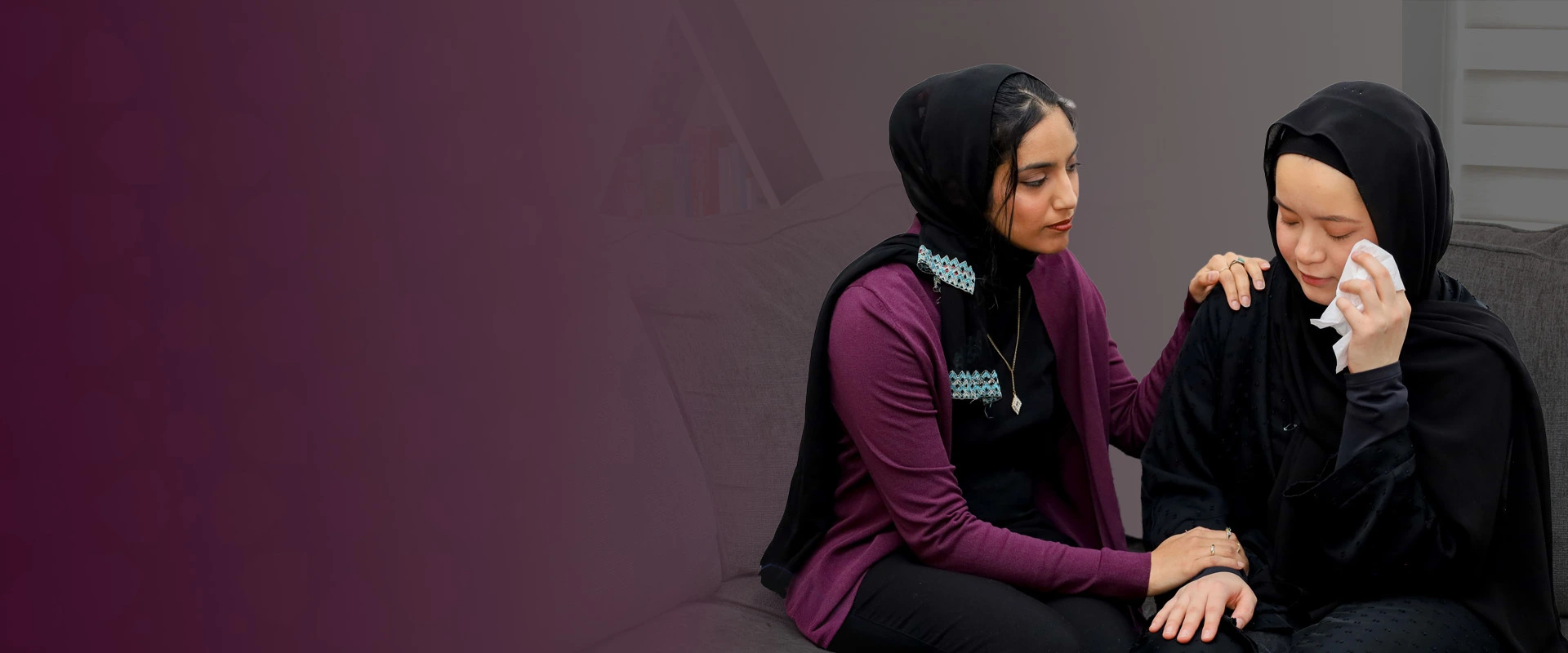
Reaching out for help can feel difficult, but it is an important step toward healing. You don’t have to go through everything on your own. At Nisa Foundation, there are services available to support you, including the Nisa Helpline, which offers free and confidential peer counselling 7 days a week from 8 am to midnight ET. It is available across North America, completely anonymous, and offered in multiple languages including English, French, Arabic, Somali, and Urdu.
There is also Nisa Mental Health available for women, where Canadian residents aged 14 and over can book up to five free phone counselling sessions with licensed therapists. These sessions are meant to support you through what you’re going through and help you find ways to manage everyday stress and challenges.
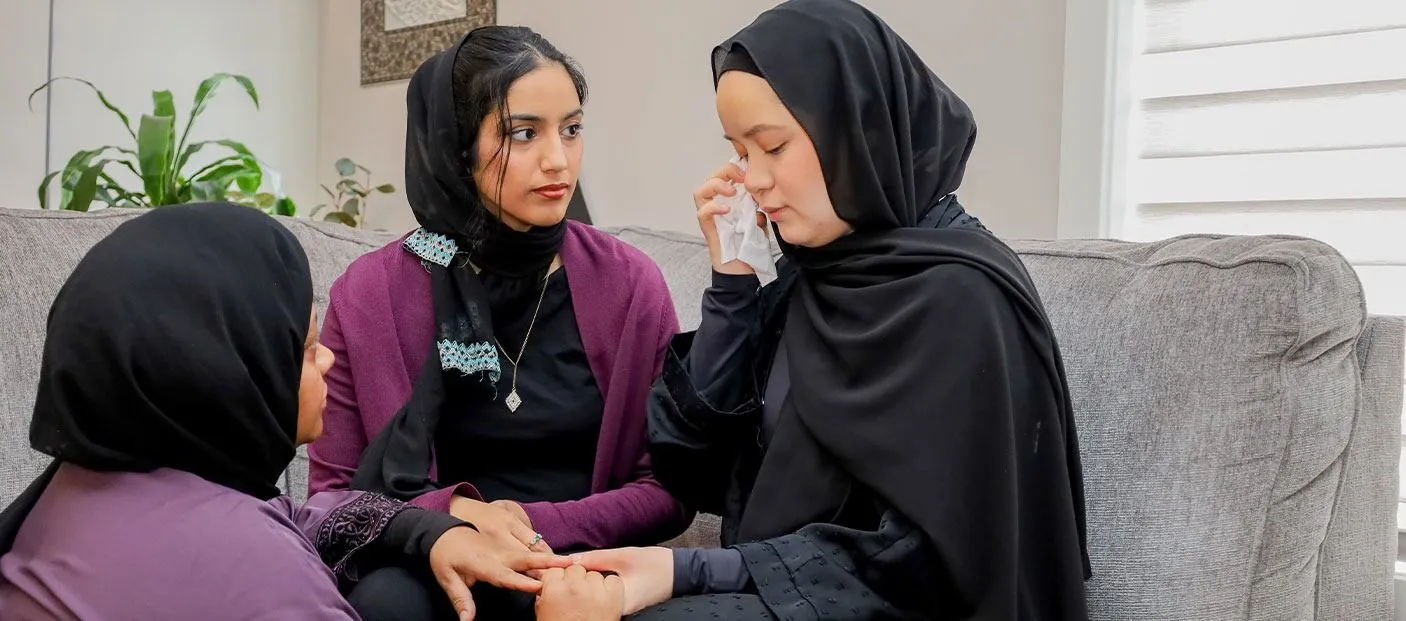
Whether you are going through something heavy or just need someone to talk to, support is there and reaching out can be the first step toward feeling better.
























































.webp)


.webp)










.webp)









.svg)


.svg)


