

.svg)


DONATE

Dhul Hijjah is not just the final month of the Islamic calendar, it is one of the most sacred and spiritually powerful times of the year. For Muslims around the world, it is a period of reflection, sacrifice, and deep connection to faith.
But what actually happened in Dhul Hijjah that makes it so important?
In this blog, we’ll explore the key historical events, their significance, and how they continue to shape Muslim life today.
Dhul Hijjah (ذو الحجة) is the 12th and final month of the Islamic lunar calendar. Its name literally means “The Month of Pilgrimage,” as it is when millions of Muslims perform Hajj in Makkah.
It is also one of the four sacred months in Islam, during which acts of worship carry even greater reward.
The most significant event in Dhul Hijjah is Hajj, one of the five pillars of Islam.
Every year, millions of Muslims gather in Makkah to follow the footsteps of Prophet Ibrahim (AS), his wife Hajar (AS), and their son Ismail (AS).
Hajj takes place between the 8th and 13th of Dhul Hijjah, with major rituals including:
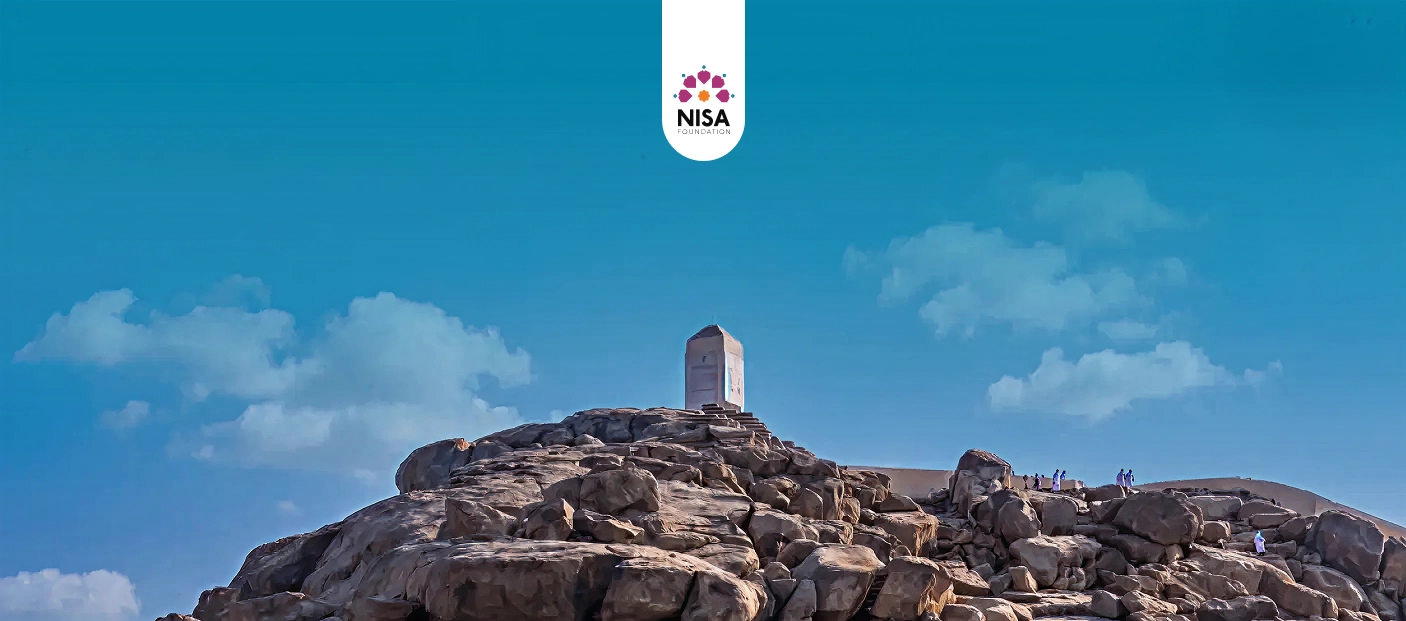
The Day of Arafah is considered the most important day of the year for Muslims.
It commemorates the moment when Prophet Muhammad (peace be upon him) delivered his final sermon.
Fasting on this day (for those not performing Hajj) is highly recommended and is believed to:
Eid al-Adha marks one of the most powerful stories in Islamic history.
It commemorates Prophet Ibrahim’s (AS) willingness to sacrifice his son in obedience to Allah. At the last moment, Allah replaced his son with a ram.
Muslims around the world honour this by:
Much of Dhul Hijjah revolves around the legacy of Prophet Ibrahim (AS), whose unwavering faith is central to Islamic teachings.
Key moments remembered during this month include:
Read more about the story of Prophet Ibrahim AS here.
One of the most significant revelations in Islamic history occurred during Dhul Hijjah. During the Farewell Pilgrimage, the following verse was revealed:
“Today I have perfected for you your religion…” (Qur’an 5:3)
This marked the completion of Islam as a way of life.
Dhul Hijjah is not just about history, it’s about action.
For Muslims today, it is a time to:
At Nisa Foundation, this month is also a reminder of the importance of supporting vulnerable women and families, especially through acts of charity and care.
Dhul Hijjah is a month filled with history, sacrifice, and spiritual opportunity. From the trials of Prophet Ibrahim (AS) to the unity of Hajj, it reminds us of what it truly means to submit to Allah.
As this blessed month approaches, take time to reflect, prepare, and make the intention to grow. Because the lessons of Dhul Hijjah aren’t just stories, they are a roadmap for how we live today.

















































.webp)

.webp)









.webp)







.svg)


.svg)


