

.svg)


DONATE
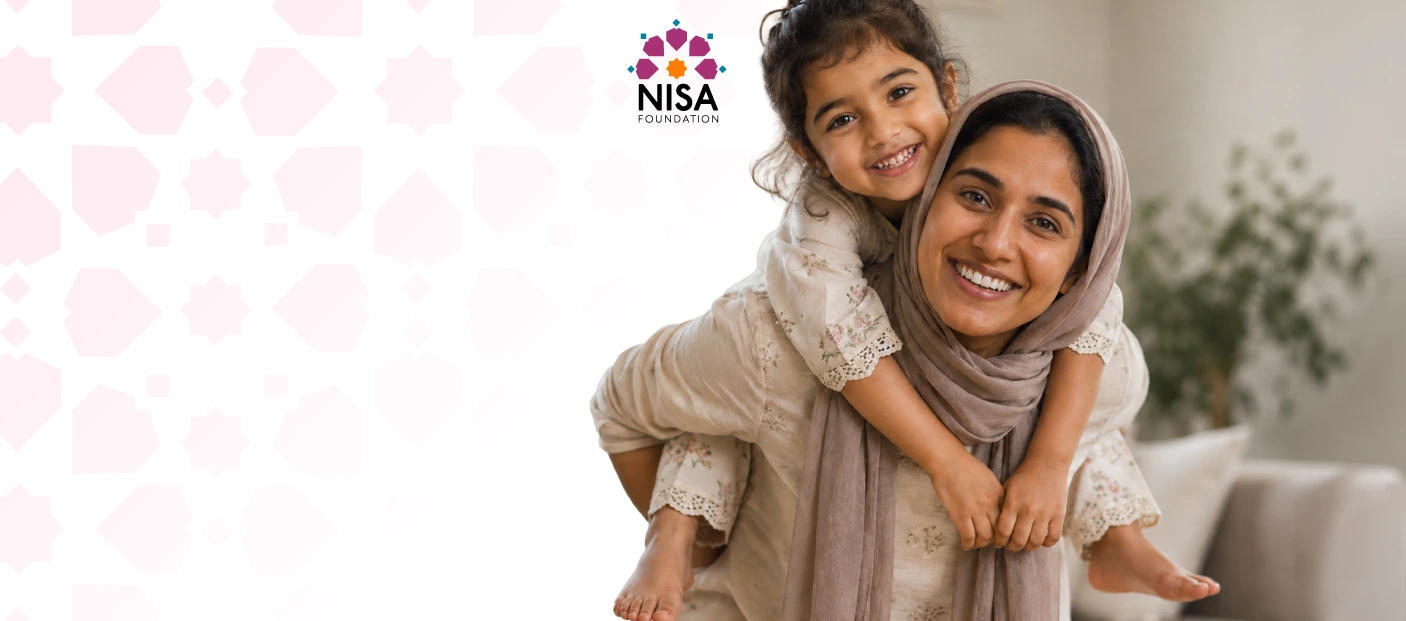
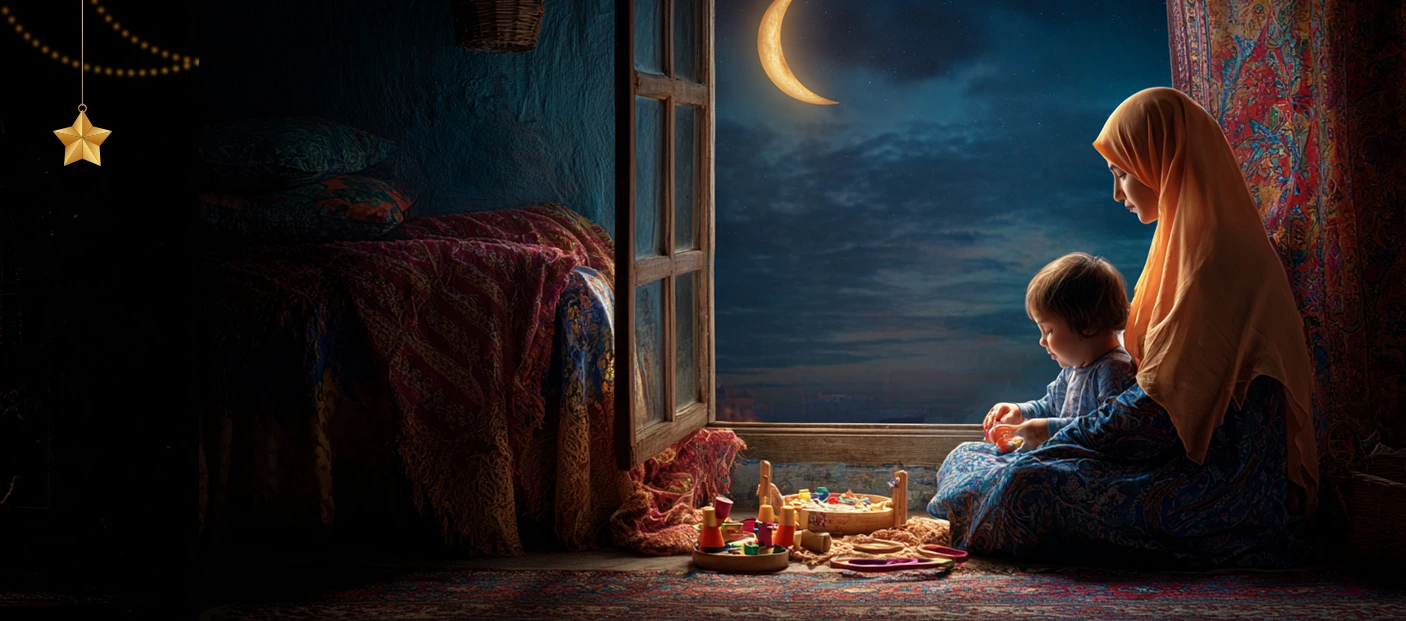
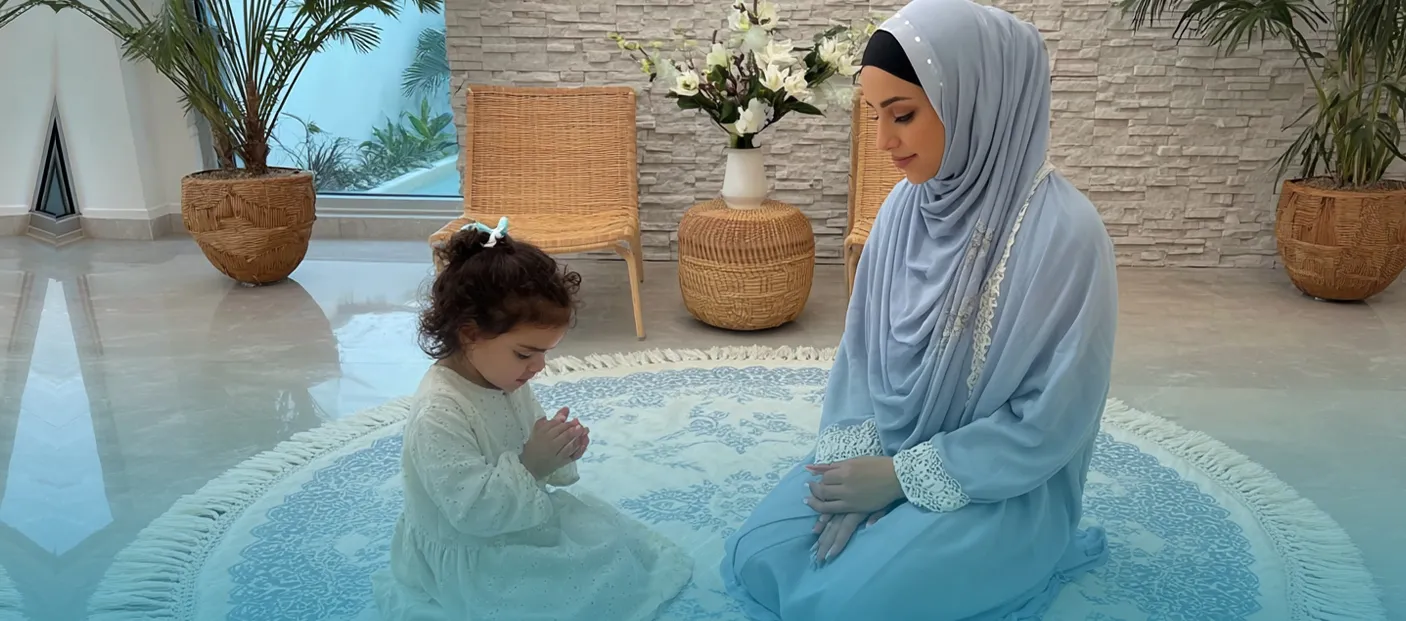
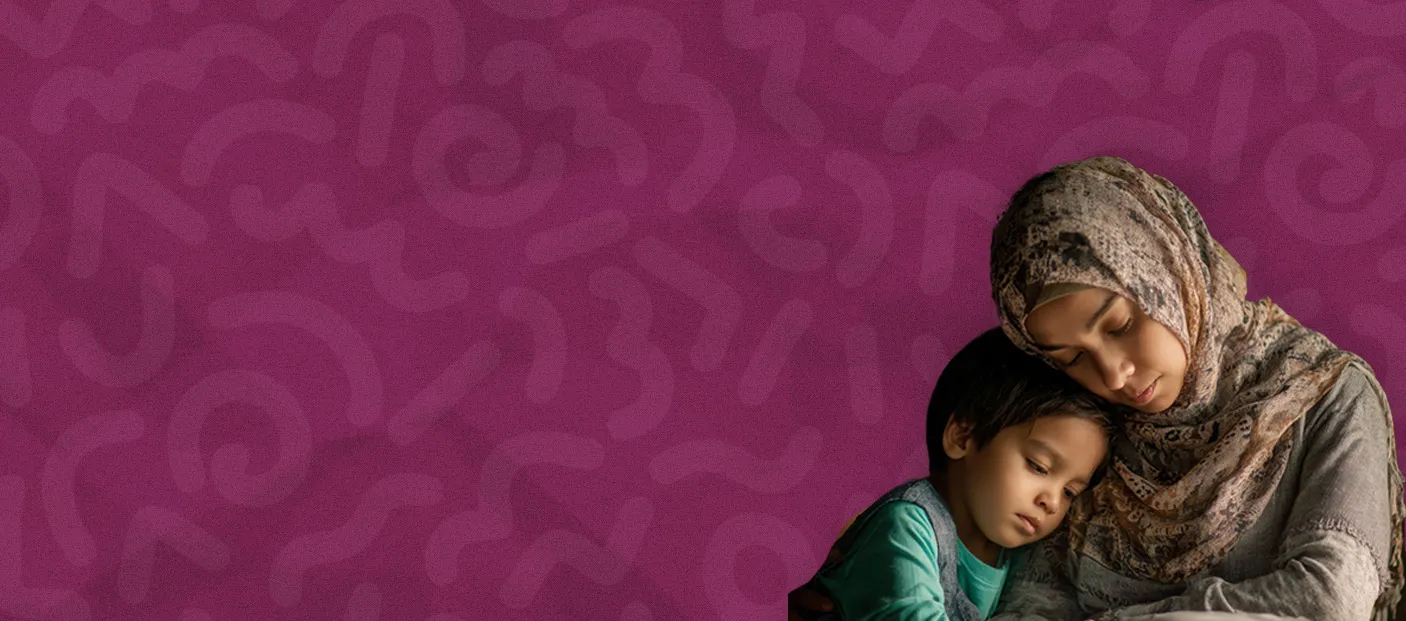
There is something deeply familiar about the way a mother loves. It’s in the quiet duas she whispers for you when you’re not around. It’s in the meals she prepares, even when she’s tired. It’s in the way she worries, forgives, and continues to give, again and again, without asking for anything in return.
In our deen, this kind of love is not overlooked. It is honoured, elevated, and woven into the very fabric of our faith.
A man once asked the Prophet Muhammad ﷺ, “Who deserves my best companionship?”
The answer came:
“Your mother.”
“Then who?”
“Your mother.”
“Then who?”
“Your mother.”
“Then your father.”
There is something powerful in that repetition. It reflects what many of us already feel but may not always express, that a mother’s place in our lives is unmatched.
And then there is the well-known saying:
“Paradise lies at the feet of your mother.”
Not in grand gestures. Not in distant acts. But in how we treat her every single day, when we listen more gently, speak more softly, and choose patience when it would be easier not to.
Islam doesn’t just tell us to love our mothers, it reminds us why.
The Qur’an paints a picture many of us can relate to, even if we’ve never fully put it into words:
“His mother carried him with hardship and gave birth to him with hardship…” (46:15)
Before we ever took our first breath, she was already sacrificing. Before we ever spoke our first word, she was already praying for us.
Motherhood in Islam is not described as easy. It is described as weighty, emotional, and deeply significant. And that honesty makes the appreciation even more meaningful.
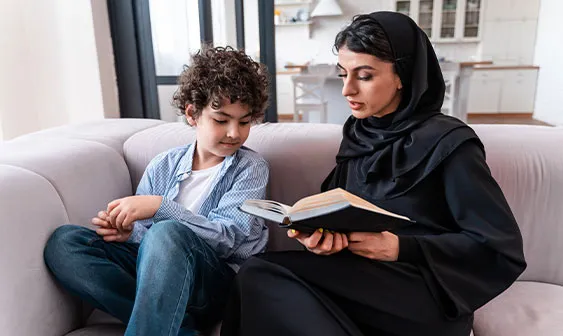
A mother is often the first place we feel safe. The first voice that teaches us right from wrong. The first heart that holds ours.
She is:
And sometimes, she does all of this quietly, without recognition.
In Islam, none of this is unseen by Allah. Every sleepless night, every moment of patience, every tear held back, these are acts filled with reward.
When we look at Islamic history, we find women whose stories feel both extraordinary and deeply human.
Maryam (AS), the mother of Prophet Isa (peace be upon him), stood alone in moments of fear and uncertainty, yet her faith never wavered.
Hajar (AS), running between Safa and Marwa in search of water for her son, reminds us of a mother’s instinct, to never give up, even when the path feels impossible. Today, millions retrace her steps during Hajj, honouring that very struggle.
These are not just stories. They are reflections of what so many mothers live every day, strength, trust, and unwavering love.
It’s easy to assume our mothers know how much we love them. Sometimes we get busy. Sometimes we forget to say the words.
Islam gently calls us back.
Speak to her with softness. Be patient, especially when she repeats herself. Make time for her. Pray for her.
Because one day, we may wish for just one more conversation, one more hug, one more chance to say thank you.
Not everyone reading this still has their mother with them. And that absence can feel heavy.
In Islam, the connection doesn’t end. You can still honour her:
The love for our mothers doesn’t disappear, it transforms.
For organizations like Nisa Foundation, supporting mothers means more than providing services, it means recognizing their emotional, spiritual, and human needs.
Behind every family is often a mother holding things together in ways no one fully sees.
When we uplift her, we uplift entire communities.
A mother’s love is one of the closest reflections of mercy we experience in this world. And in Islam, that love is not just appreciated, it is sacred.
So whether your mother is beside you, far from you, or remembered in your prayers, take a moment today.
Call her.
Hug her.
Pray for her.
Because in honouring her, you are walking a path that leads somewhere far greater than you can imagine.

































.webp)

.webp)







.webp)





.svg)


.svg)


