

.svg)


DONATE

Marriage in Islam is meant to be a place of peace, compassion, and protection. The Qur’an describes spouses as a source of comfort and clothing for one another:
Clothing protects, covers, and brings dignity. When a marriage consistently leaves one spouse feeling afraid, controlled, spiritually broken, or disconnected from Allah, it is important to recognize that something may be wrong.
Spiritual abuse can occur in any faith community when religious beliefs or teachings are misused to control, shame, or manipulate others. This misuse of religion is often referred to as spiritual abuse and stands in contrast to not only Islam's but all faiths' teachings of justice, mercy, and compassion.
Spiritual abuse occurs when someone uses religious beliefs, texts, authority, or religious language to gain power over another person or cause harm.
For example, in a Muslim marriage, spiritual abuse may occur when a husband misuses Islamic teachings, not as a source of mercy and guidance, but as a tool for fear, control, or manipulation. This reflects a distortion of Islam's teachings, not the faith itself.
Islam teaches that faith cannot be built through oppression. Allah commands justice and kindness:
A spouse who claims to represent Islam while repeatedly causing harm, humiliation, or injustice is not reflecting the character and ethics Islam calls believers toward.
Every marriage has disagreements and challenges. Spiritual abuse is not about a single mistake or a moment of anger. It is usually a repeated pattern of behaviour that damages your sense of safety, dignity, or relationship with Allah.
Examples may include:
Islam encourages knowledge, reflection, and sincere advice, not coercion.
Spiritual abuse can look like:
A healthy Islamic relationship should bring a person closer to Allah, not make them feel hopeless or constantly condemned.
A harmful pattern may occur when someone:
Islam teaches patience, but patience does not mean accepting oppression. The Prophet Muhammad ﷺ demonstrated mercy, gentleness, and accountability in his relationships.
Ask yourself:
A marriage built on Islamic principles should include consultation, kindness, and mutual respect.
The Prophet Muhammad ﷺ said:
Islam does not define leadership in marriage as domination. Responsibility comes with accountability.
A husband’s role is not to erase his wife’s dignity, silence her, or control her through fear. A Muslim marriage is a partnership where both spouses have rights and responsibilities.
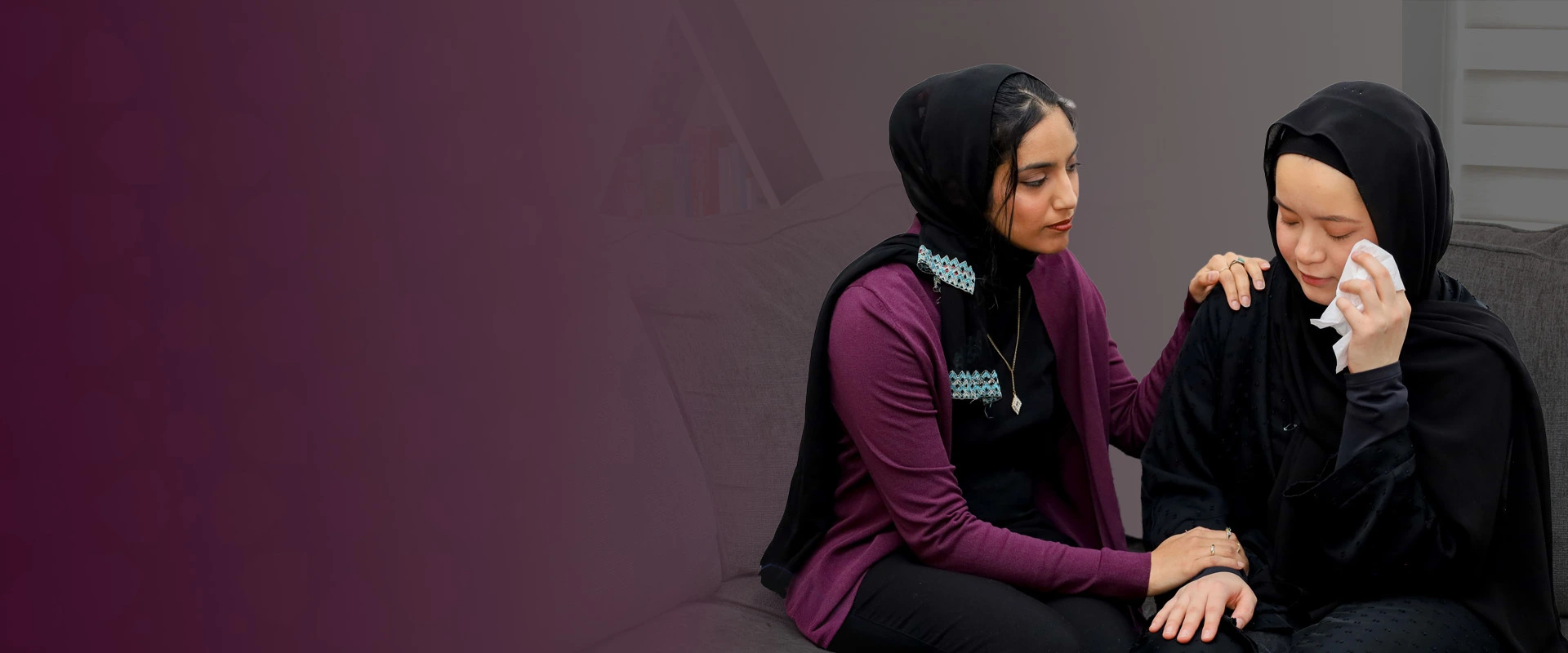
Many women struggle with guilt when they begin questioning unhealthy dynamics.
Seeking understanding, safety, support, and justice is not the same as being disobedient or disrespectful.
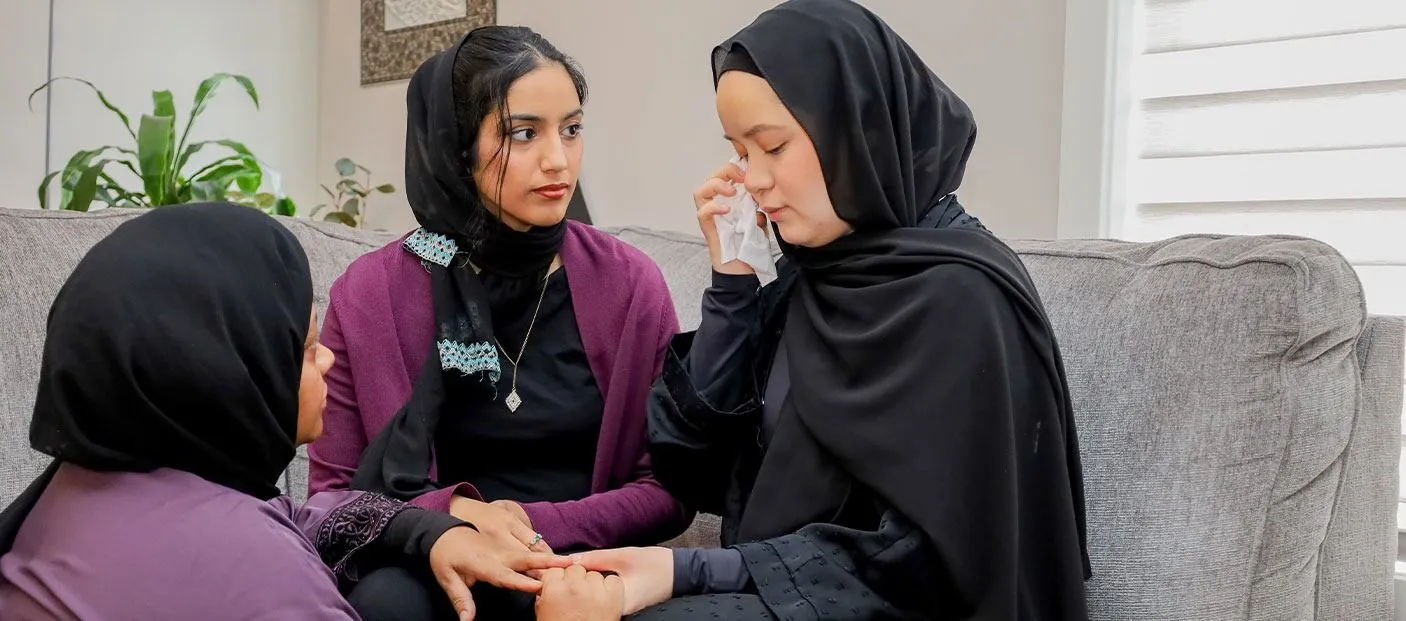
Islam recognizes the importance of protecting a person’s dignity, safety, and wellbeing. If you are experiencing harm, seeking support can be an important step. Speaking with trusted people, accessing counseling, or seeking guidance from knowledgeable individuals who understand both faith and healthy relationships can provide clarity and support.
Organizations like Nisa Foundation offer resources and support for Muslim women navigating difficult situations, including concerns related to marriage, emotional wellbeing, and safety. Reaching out for help is not a sign of weakness, it can be a step toward understanding your rights, finding support, and moving toward a healthier future.
Consider:
You do not have to navigate confusion alone.
If someone uses religion to make you feel trapped, worthless, or afraid, remember that Allah’s mercy is greater than any person’s manipulation.
Islam calls believers toward compassion, justice, and dignity. A marriage should be a place where both spouses can grow closer to Allah, not a place where one person’s faith is used as a weapon against the other.
If you or someone you know is experiencing emotional, spiritual, or domestic abuse, reaching out for support can be an important step toward safety and healing.






























































.webp)


.webp)













.webp)






.svg)


.svg)


