

.svg)


عطیہ

تعلیمی سال کا آغاز جوش و خروش تو لا سکتا ہے، لیکن یہ اپنے ساتھ غیر یقینی صورتحال بھی لاتا ہے۔ نئے اساتذہ، نئی کلاسیں، مختلف معمولات، بدلتی ہوئی دوستیاں، اور تعلیمی توقعات کا بوجھ بچوں کے لیے پریشان کن ہو سکتا ہے۔
کچھ بچوں کے لیے یہ تبدیلی اور بھی مشکل ہوتی ہے۔ حال ہی میں گھر کی تبدیلی، گھریلو حالات میں بدلاؤ، مالی دباؤ، والدین کی علیحدگی، یا زندگی کے دیگر بڑے واقعات اسکول واپسی کو ایک بھاری بوجھ بنا سکتے ہیں۔
والدین اور دیکھ بھال کرنے والوں کے طور پر، ہم شاید ہر قسم کے تناؤ کو ختم نہ کر سکیں، لیکن ہم بچوں کو محفوظ، تیار اور پر اعتماد محسوس کرنے میں مدد کر سکتے ہیں۔
یہاں کچھ طریقے دیے گئے ہیں جن سے آپ اپنے بچے کو نئے تعلیمی سال کے لیے تیار کرنے اور اسکول واپسی کے تناؤ کو سنبھالنے میں مدد کر سکتے ہیں۔
تعلیمی سال کے آغاز پر بچوں کو سب سے بڑی تبدیلی اپنے روزمرہ کے معمولات میں محسوس ہوتی ہے۔
گرمیوں کی چھٹیوں میں دیر سے سونا، صبح دیر تک آرام کرنا اور بے ترتیب دن اچانک صبح سویرے اٹھنے، لنچ باکس تیار کرنے، ہوم ورک اور طے شدہ سرگرمیوں میں بدل جاتے ہیں۔
سب کچھ راتوں رات بدلنے کے بجائے، اسکول شروع ہونے سے کچھ دن یا ہفتے پہلے ہی اپنے بچے کو اسکول کے معمولات کا عادی بنانا شروع کریں۔
آپ بتدریج یہ کر سکتے ہیں:
ایک متوقع معمول بچوں کو یہ جاننے میں مدد دیتا ہے کہ کیا ہونے والا ہے، جس سے اسکول کے ابتدائی دنوں کی غیر یقینی صورتحال کم ہو جاتی ہے۔
بچے ہمیشہ یہ نہیں بتا پاتے کہ وہ اسکول کے بارے میں پریشان کیوں ہیں۔
صرف یہ پوچھنے کے بجائے کہ "کیا آپ اسکول جانے کے لیے پرجوش ہیں؟" ایسے سوالات پوچھیں جن کا جواب تفصیل سے دیا جا سکے، جیسے:
اپنے بچے کو ایمانداری سے جواب دینے کا موقع دیں اور فوراً مسئلہ حل کرنے کی کوشش نہ کریں۔
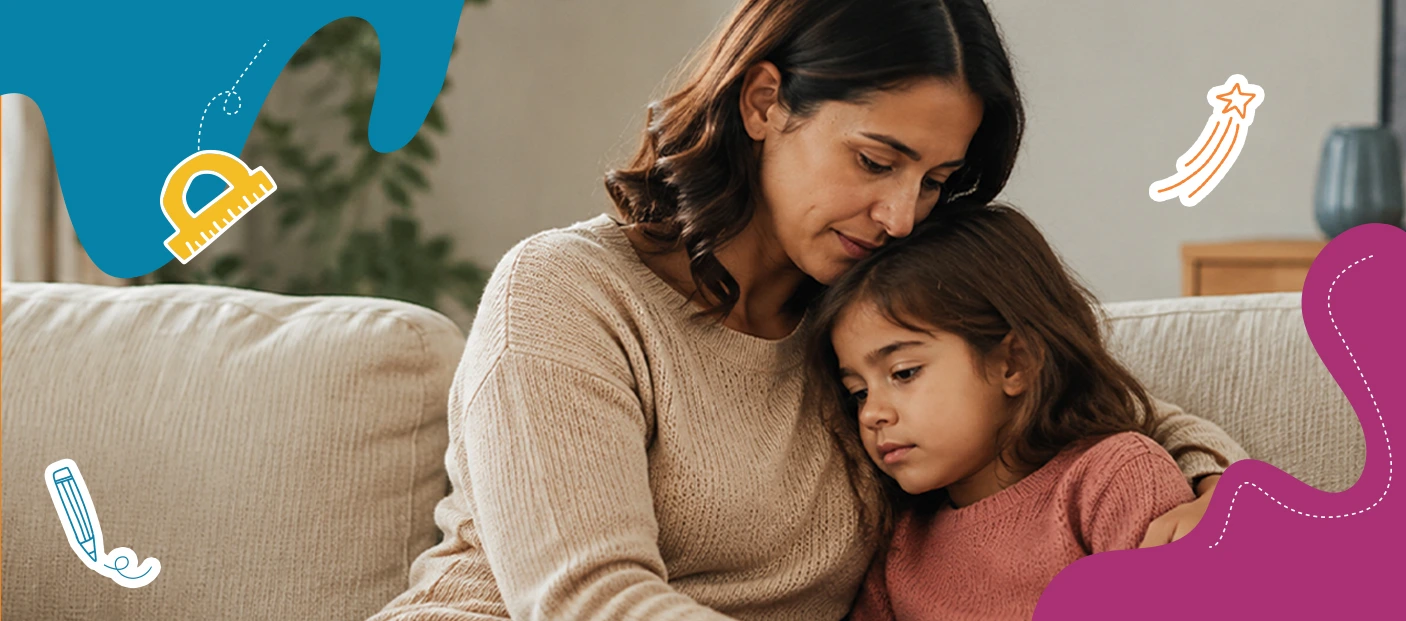
کبھی کبھی، بچوں کو صرف یہ جاننے کی ضرورت ہوتی ہے کہ ان کے جذبات کو سنا جا رہا ہے۔
آپ انہیں یہ کہہ کر تسلی دے سکتے ہیں، "آپ کا گھبرانا فطری ہے۔ کوئی بھی نیا کام شروع کرنا تھوڑا عجیب لگ سکتا ہے، اور آپ کو پہلے ہی دن سب کچھ سمجھنے کی ضرورت نہیں ہے۔"
چھوٹے بچوں کے لیے، اسکول واپسی علیحدگی کی بے چینی کا باعث بن سکتی ہے۔ یہاں تک کہ وہ بچے جو پہلے اسکول جا چکے ہیں، نئی کلاس میں جانے، کمرہ جماعت تبدیل ہونے یا نئے استاد کے ساتھ مطابقت پیدا کرنے میں مشکل محسوس کر سکتے ہیں۔
الوداع کہنے کا ایک مستقل معمول مددگار ثابت ہو سکتا ہے۔
الوداع کہتے وقت گرم جوشی اور تسلی کا مظاہرہ کریں، لیکن اسے غیر ضروری طور پر طویل نہ بنائیں۔ اپنے بچے کو بتائیں کہ آپ انہیں دوبارہ کب ملیں گے اور انہیں یاد دلائیں کہ اسکول کے بعد کیا ہوگا۔
مثال کے طور پر:
"آپ اسکول میں اپنا وقت گزاریں گے، اور میں آپ کو لینے کے لیے یہاں موجود ہوں گا۔ آپ محفوظ ہیں، آپ سے بہت پیار کیا جاتا ہے، اور ہم جلد ہی دوبارہ ملیں گے، ان شاء اللہ۔"
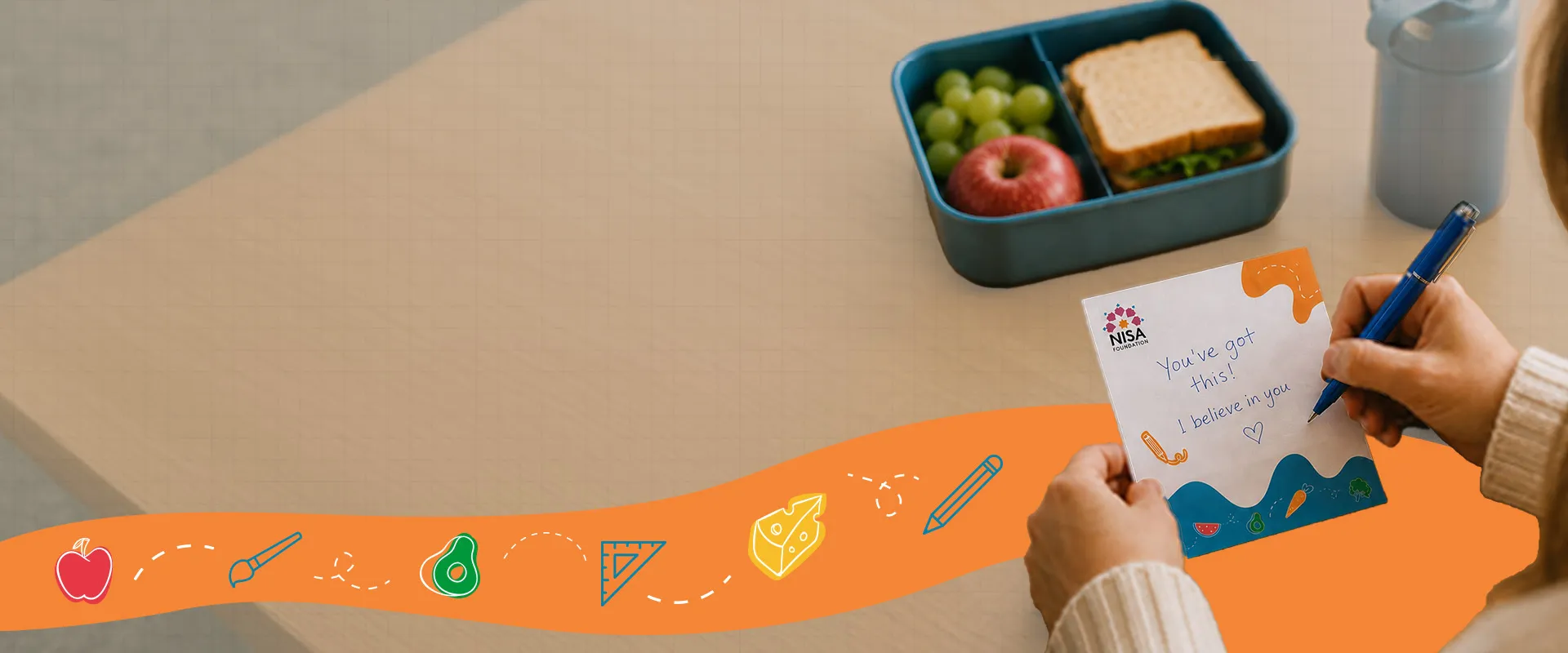
لنچ باکس میں ایک چھوٹا سا نوٹ، بیگ میں خاندانی تصویر، یا گھر کی کوئی اور جانی پہچانی چیز چھوٹے بچوں کو دن بھر آپ سے جڑے رہنے کا احساس دلا سکتی ہے۔
اپنے بچے کے لنچ باکس میں تھوڑی سی حوصلہ افزائی شامل کرنے کا آسان طریقہ تلاش کر رہے ہیں؟ نیسا فاؤنڈیشن کے مفت لنچ نوٹس ڈاؤن لوڈ کریں اور ہر روز ان کے لنچ میں پیار، حوصلہ افزائی یا کسی دلی یاد دہانی کا نوٹ رکھیں۔
پریشان بچے کو یہ کہنا بہت آسان لگتا ہے کہ "فکر مت کرو، سب ٹھیک ہو جائے گا۔"
اگرچہ اس کا مقصد تسلی دینا ہوتا ہے، لیکن بچے کبھی کبھی یہ محسوس کر سکتے ہیں کہ ان کے خدشات کو سنجیدگی سے نہیں لیا جا رہا۔
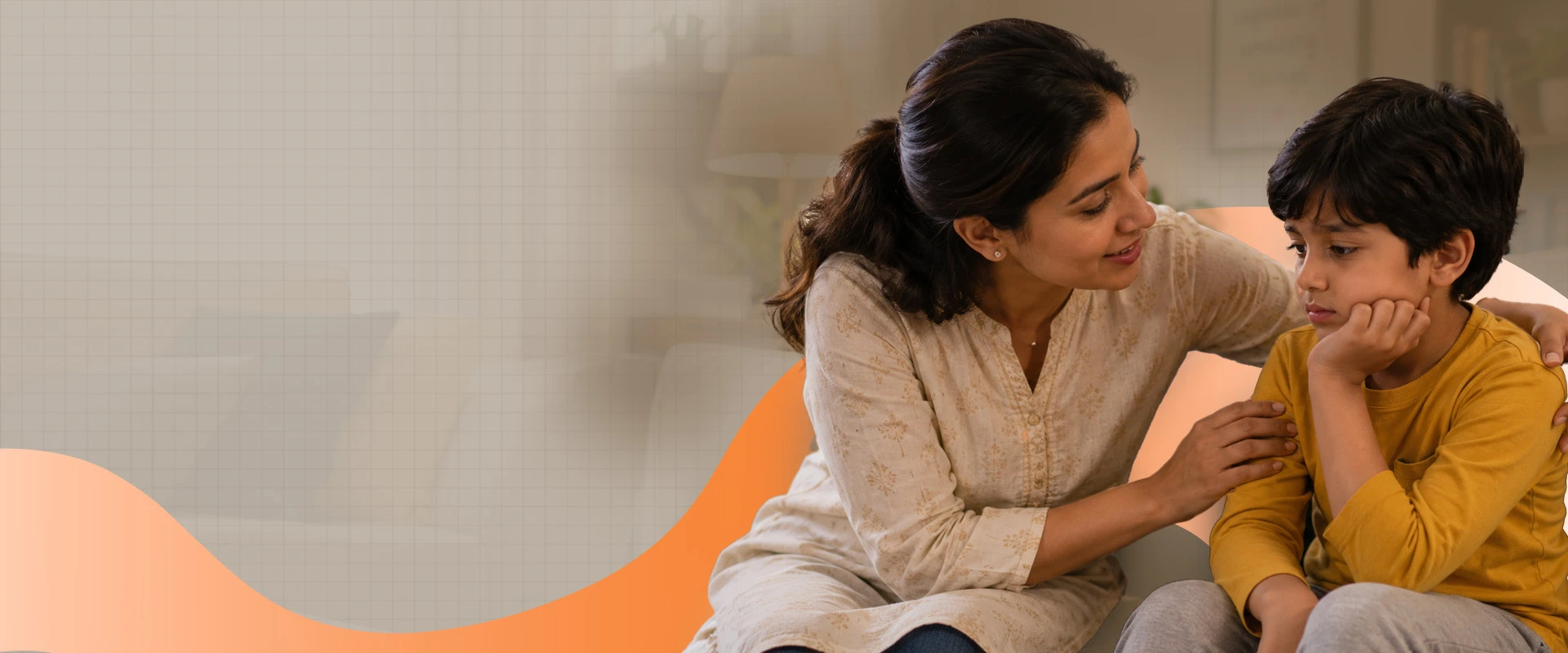
اس کے بجائے، تسلی دینے سے پہلے ان کے احساسات کو تسلیم کریں۔
کوشش کریں:
"میں سمجھ سکتا ہوں کہ یہ بات آپ کو پریشان کیوں کر رہی ہے۔"
پھر ان کی مدد کریں کہ اگر ایسی صورتحال پیش آئے تو وہ کیا کر سکتے ہیں۔
مثال کے طور پر، اگر آپ کا بچہ اسکول میں کسی کو نہ جاننے کی وجہ سے پریشان ہے، تو آپ مشق کر سکتے ہیں کہ وہ کسی دوسرے بچے سے اپنا تعارف کیسے کرائے یا استاد سے مدد کیسے مانگے۔
تسلی تب سب سے زیادہ مؤثر ہوتی ہے جب وہ بچے کو یہ محسوس کرائے کہ اسے سمجھا گیا ہے اور وہ خود بھی کچھ کرنے کے قابل ہے۔
اسکول کے نئے سال کے دوران دوستی جوش و خروش اور تناؤ کا سب سے بڑا ذریعہ ہو سکتی ہے۔
آپ کا بچہ دوست بنانے، اپنے پرانے دوستوں سے الگ ہونے، کسی تنازعہ سے نمٹنے، یا دوسروں کے ساتھ گھلنے ملنے کے بارے میں پریشان ہو سکتا ہے۔
صرف اس بات پر توجہ مرکوز کرنے کے بجائے کہ آیا ان کے پاس "کافی" دوست ہیں، انہیں سادہ سماجی مہارتیں سیکھنے میں مدد کریں جو وہ پورے سال استعمال کر سکیں۔
آپ ان چیزوں کی مشق کر سکتے ہیں:
اپنے بچے کو یاد دلائیں کہ دوستی بننے میں وقت لگتا ہے۔ ضروری نہیں کہ وہ اسکول کے پہلے ہی دن اپنا بہترین دوست تلاش کر لیں۔
جو بچہ گھر میں کسی بڑی تبدیلی سے گزر رہا ہو، اس کے لیے اسکول واپسی کا دباؤ خاص طور پر شدید ہو سکتا ہے۔
ہو سکتا ہے بچہ کسی نئے گھر، نئی کمیونٹی، خاندانی حالات میں تبدیلی، یا مستقبل کے بارے میں غیر یقینی صورتحال سے مطابقت پیدا کر رہا ہو۔ اگر وہ ان تجربات کے بارے میں براہِ راست بات نہ بھی کریں، تب بھی وہ نیند، مزاج، بھوک، رویے یا اسکول کی کارکردگی میں تبدیلیوں کے ذریعے تناؤ کا اظہار کر سکتے ہیں۔
ایسے وقتوں میں، معمولات میں تسلسل خاص طور پر اہم ہو سکتا ہے۔
باقاعدہ کھانا، سونے کے مقررہ اوقات، ایک ساتھ وقت گزارنا، اور یہ معلوم ہونا کہ اسکول سے انہیں کون لینے آئے گا، جیسی چھوٹی چھوٹی باتیں انہیں تحفظ کا احساس دلا سکتی ہیں۔
بچوں کو محفوظ محسوس کرنے کے لیے یہ ضروری نہیں کہ ہر غیر یقینی صورتحال ختم ہو جائے۔ انہیں ایسے قابلِ اعتماد بڑوں کی ضرورت ہوتی ہے جو انہیں یاد دلائیں کہ وہ ان تبدیلیوں کا سامنا اکیلے نہیں کر رہے۔
اسکول کی مصروف صبحیں اکثر کپڑے پہننے، لنچ پیک کرنے، جوتے ڈھونڈنے اور گھر سے نکلنے کی جلدی میں گزر جاتی ہیں۔
جب بھی ممکن ہو، جڑاؤ کے چھوٹے چھوٹے لمحات پیدا کرنے کی کوشش کریں۔
یہ ہو سکتے ہیں:
یہ چھوٹے چھوٹے لمحات بچوں کو یاد دلاتے ہیں کہ چاہے ان کے دن کتنے ہی مصروف یا مشکل کیوں نہ ہوں، ان کے پاس واپس لوٹنے کے لیے ایک محفوظ ٹھکانہ موجود ہے۔
بچوں کو بھی بڑوں کی طرح تناؤ سے نمٹنے کے لیے مدد کی ضرورت ہوتی ہے۔
ان کی عمر کے لحاظ سے، ایسی سرگرمیوں کی حوصلہ افزائی کریں جو انہیں پرسکون ہونے اور تازہ دم ہونے میں مدد دیں، جیسے کہ مطالعہ کرنا، ڈرائنگ کرنا، باہر کھیلنا، جسمانی ورزش، گہرے سانس لینے کی مشقیں، یا خاندان کے ساتھ وقت گزارنا۔
مسلمان خاندانوں کے لیے، روحانی معمولات بھی بچے کی روزمرہ زندگی کا ایک پرسکون حصہ بن سکتے ہیں۔
اسکول جانے سے پہلے ایک مختصر دعا، قرآن پاک کی چند آیات کی تلاوت، یا پریشانی کے وقت اللہ کی طرف رجوع کرنے کی یاد دہانی بچوں کو مشکل جذبات سے نمٹنے کے صحت مند طریقے سکھانے میں مددگار ثابت ہو سکتی ہے۔
مقصد یہ سکھانا نہیں ہے کہ بچے کبھی پریشان نہ ہوں۔ بلکہ مقصد یہ ہے کہ وہ یہ سمجھ سکیں کہ مشکل جذبات کو سنبھالا جا سکتا ہے اور ضرورت پڑنے پر وہ مدد حاصل کر سکتے ہیں۔
اسکول واپسی پر تھوڑی بہت گھبراہٹ ہونا بالکل معمول کی بات ہے۔ تاہم، اگر یہ کیفیت مسلسل رہے یا شدید ہو جائے تو یہ اس بات کی علامت ہو سکتی ہے کہ آپ کے بچے کو اضافی مدد کی ضرورت ہے۔
درج ذیل باتوں پر توجہ دیں:
اگر آپ کو کوئی تشویشناک یا مستقل تبدیلی نظر آئے، تو اپنے بچے کے استاد، اسکول کے معاون عملے، ڈاکٹر، یا کسی ماہر نفسیات سے بات کرنے پر غور کریں۔
مدد مانگنا اس بات کی علامت نہیں ہے کہ آپ بطور والدین ناکام ہو گئے ہیں۔ بعض اوقات بچوں کو صرف اس سے زیادہ مدد کی ضرورت ہوتی ہے جو ایک شخص اکیلے فراہم کر سکتا ہے۔
تعلیمی سال کا آغاز بہت سی توقعات کے ساتھ ہوتا ہے: اچھے گریڈز، نئی دوستیاں، غیر نصابی سرگرمیاں اور "کامیاب" ہونا۔
اپنے بچے کو یاد دلائیں کہ ضروری نہیں کہ وہ ہر چیز کو فوراً سمجھ جائیں۔
انہیں غلطیاں کرنے کی اجازت ہے۔
انہیں سوالات پوچھنے کی اجازت ہے۔
انہیں مشکل دنوں سے گزرنے کی اجازت ہے۔
اور انہیں حالات کے مطابق ڈھلنے کے لیے وقت لینے کی اجازت ہے۔
صرف کامیابیوں پر توجہ مرکوز کرنے کے بجائے، ان کی خوبیوں جیسے کہ مہربانی، استقامت، ایمانداری، تجسس اور ہمت کی تعریف کریں۔
نیا تعلیمی سال صرف نئی کلاسوں کا نام نہیں ہے۔ بچوں کے لیے، یہ ایک بڑی جذباتی تبدیلی ہو سکتی ہے۔
کچھ بچے پراعتماد اور پرجوش ہو کر کلاس روم میں داخل ہوں گے۔ دوسروں کو آرام دہ محسوس کرنے کے لیے زیادہ وقت، یقین دہانی اور مدد کی ضرورت ہو سکتی ہے۔
سب سے اہم بات یہ جاننا ہے کہ ان کے ساتھ کوئی کھڑا ہے۔
ایک پرسکون گفتگو، ایک باقاعدہ معمول، کسی کی بات غور سے سننا، یا صرف یہ یاد دلانا کہ وہ پیارے ہیں، ایک نمایاں فرق پیدا کر سکتا ہے۔
اور جب کوئی بچہ اسکول شروع کرنے کے معمول کے تناؤ سے ہٹ کر مشکلات کا سامنا کر رہا ہو، تو ایک معاون کمیونٹی تک رسائی اور بھی زیادہ اہمیت رکھتی ہے۔
نسا فاؤنڈیشن میں، ہمارا ماننا ہے کہ بچے اپنی نشوونما کے دوران محفوظ، معاونت یافتہ اور دیکھ بھال کا احساس پانے کے حقدار ہیں۔ مشکل حالات میں ماؤں اور خاندانوں کی مدد کر کے، ہم بچوں کے سیکھنے، بڑھنے اور اپنے خوابوں کو پورا کرنے کے لیے مضبوط بنیادیں قائم کرنے میں مدد کر سکتے ہیں۔
اس تعلیمی سال، آئیے ہر بچے کو یاد دلائیں: آپ کو بڑی تبدیلیوں کا سامنا اکیلے کرنے کی ضرورت نہیں ہے۔


































































.webp)


.webp)



















.webp)




.svg)


.svg)


