

.svg)


DONATE

A boy doesn’t wake up one day and suddenly know how to be a good man.
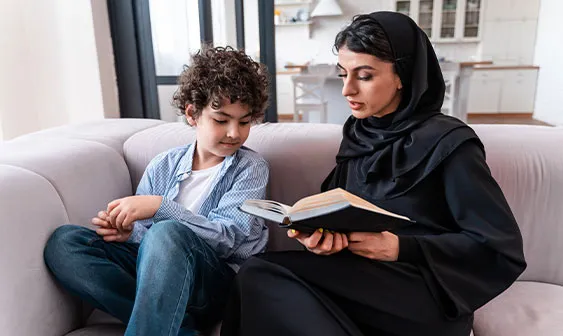
He learns. He watches. He is guided by the people around him.
He learns what to do with anger and frustration. How to respond when he feels hurt. How to treat the people around him. How to take responsibility when he makes a mistake. And those lessons can shape the kind of brother, husband, father, friend and leader he becomes.
That is why Nisa Foundation believes prevention has to start early.
Through Raising Rijal, Nisa Learning is helping boys and young men develop healthy masculinity, emotional awareness and healthy relationships through conversations grounded in faith, compassion, respect and accountability.
And in Edmonton, those conversations are happening somewhere boys already feel at home: on the basketball court.
Raising Rijal is an evidence-based violence-prevention program adapted from Coaching Boys Into Men and enriched with Islamically relevant content.
The program works through trusted relationships with coaches, mentors and fathers to help boys explore what healthy masculinity can look like.
That includes learning how to:
These may sound like simple conversations. But they can shape a lifetime.
Because the way a boy learns to communicate today can influence how he communicates with his future family. The way he learns to handle conflict can affect his future relationships. And the examples of manhood he sees now can influence the kind of man he chooses to become.
In Edmonton, Raising Rijal is working alongside Edmonton Brothers Basketball, a program founded by coach and mentor Sharmarke.
For Sharmarke, basketball has never been only about the game. Years of coaching boys taught him that what happens beneath the surface is often just as important as what happens on the court.
A player may show up angry.
Another may become frustrated after making a mistake.
Someone else may withdraw completely.
Those moments can easily be treated as behaviour that needs to be corrected. Sharmarke approaches them differently.
“Connect before you correct.”
Instead of immediately speaking at a young person, he tries to speak with him.
What happened?
Where is the frustration coming from?
What is he trying to communicate?
What does he need in that moment?
Creating space for boys to speak without immediately being judged can help them better understand what they are feeling and learn healthier ways to respond to those emotions.
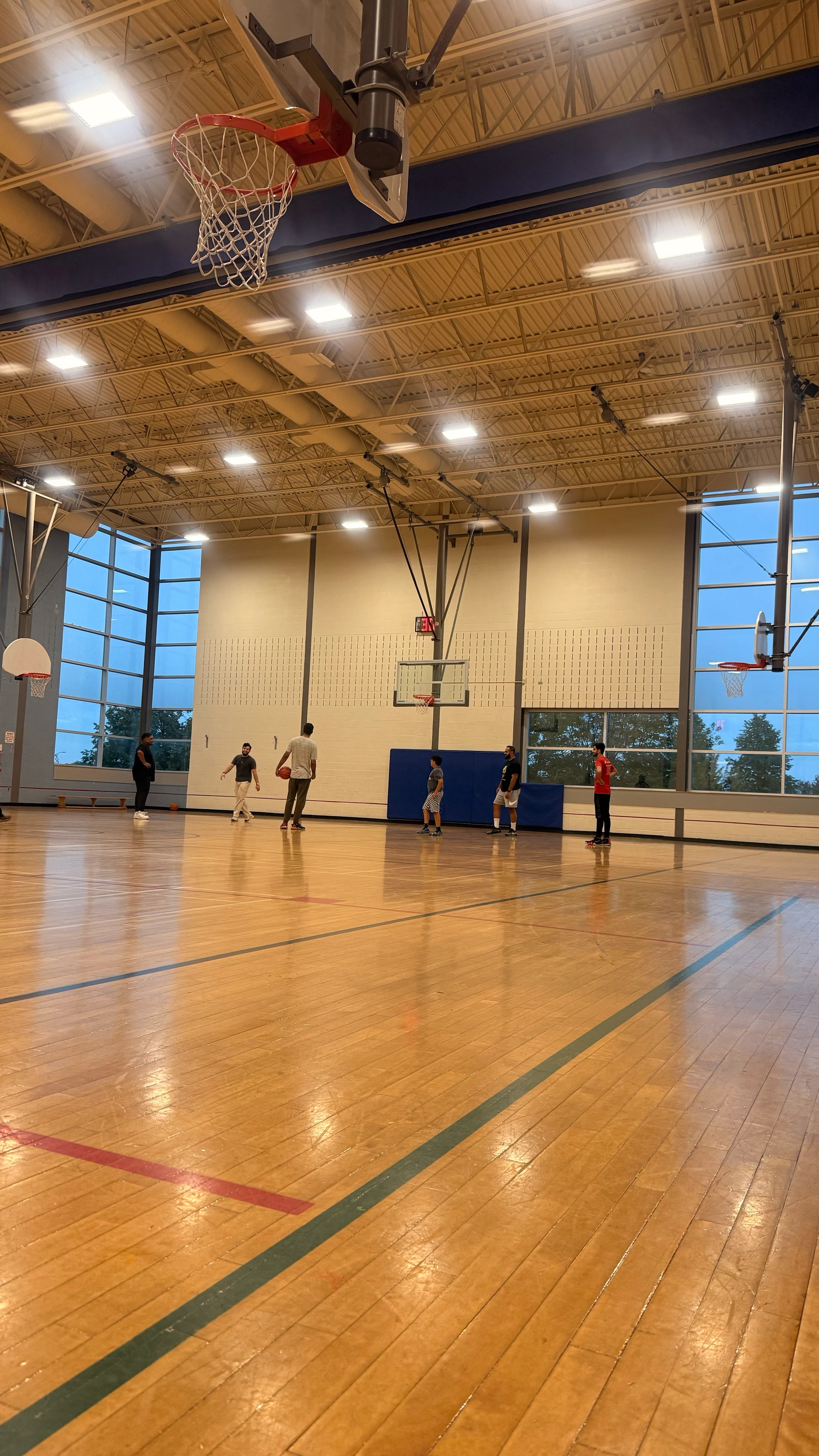
Through his work with young people, Sharmarke has seen the importance of giving boys room to express themselves. That includes dealing with difficult emotions.
Anger. Frustration. Disappointment. Fear. Failure.
The goal is not to tell boys that they should never feel these things. It is to help them understand what they are feeling and what they choose to do with it.
One of the lessons Sharmarke emphasizes through basketball is simple:
"You are not going to make every shot."
Sometimes you miss.
Sometimes you fail.
Sometimes you make a mistake.
What matters is what happens next.
Can you reflect on what happened?
Can you take responsibility?
Can you learn?
Can you try again?
These are lessons that reach far beyond basketball.
Boys often receive messages about what it means to “be a man.”
"Be tough."
“Don’t cry.”
”Don’t show weakness.”
“Deal with it yourself.”
But Raising Rijal creates space for a different understanding of strength. It is okay to feel your emotions. It is okay to talk about them. It is okay to make mistakes. And it is okay to ask for help.
For Muslim boys, these conversations can also be grounded in examples from their faith.
Sharmarke remembers learning about Islam not simply as a set of rules or something practiced during Ramadan, but as a way of life rooted in mercy, respect and patience. Those lessons continue to influence how he mentors boys today.
Islamic teachings can help boys understand that compassion, gratitude, self-reflection and emotional expression do not take away from masculinity. They can be part of what makes a man strong.
Many of the ideas within Raising Rijal were already present in the way Sharmarke approached coaching. What the program offered was structure.
It provided a framework for conversations about self-development, emotional regulation, communication, healthy relationships and positive masculinity, while connecting those lessons with Islamic values.
This matters because coaches can occupy a unique place in a young person's life. A parent sees their child at home. A teacher sees them in the classroom. But a coach may see how a boy reacts when he loses. When a teammate frustrates him. When he feels embarrassed. When he succeeds. When he fails. When he is under pressure.
Those everyday moments can become opportunities for mentorship. Not through another lecture, but through connection.
At Nisa Foundation, we know the devastating impact unhealthy and abusive relationships can have on women, children and entire families. Supporting survivors is essential. But creating safer communities also means looking further upstream.
What if we could start these conversations before harmful behaviours take root?
Teaching boys that strength can include emotional awareness, respect, accountability, and compassion can shape how they handle conflict and build relationships. With guidance from trusted adults like coaches, mentors, and fathers, those lessons can create a stronger foundation for the future.
That is what prevention can look like.
Raising Rijal is not simply about telling boys what not to do. It is about helping them understand the men they have the potential to become.
The boys sitting on basketball courts, in classrooms, and around our dinner tables today will eventually become the husbands, fathers, brothers, friends, coaches, mentors, and community leaders shaping our communities tomorrow.
And every conversation we have with them today has the potential to influence how they show up in those roles tomorrow.
Through Raising Rijal, we can help boys understand that being a strong Muslim man is not about never struggling or showing emotion, but about knowing yourself, taking responsibility, choosing good company, treating others with respect, showing compassion, learning from failure, and having the courage to grow.
Because healthier homes and stronger communities begin long before adulthood. They begin with what we teach our boys today.
Nisa Foundation is grateful to Penny Appeal for sponsoring Raising Rijal in Edmonton and helping make this work possible through Edmonton Brothers Basketball.
Together, we are creating more opportunities for Muslim boys to be heard, supported and guided as they grow into men grounded in faith, compassion, respect and accountability.
Want to bring Raising Rijal to your community?
Learn more about Raising Rijal and Nisa Learning or book a workshop with Nisa Foundation.


















































.webp)


.webp)












.webp)





.svg)


.svg)


