

.svg)

DEEQ
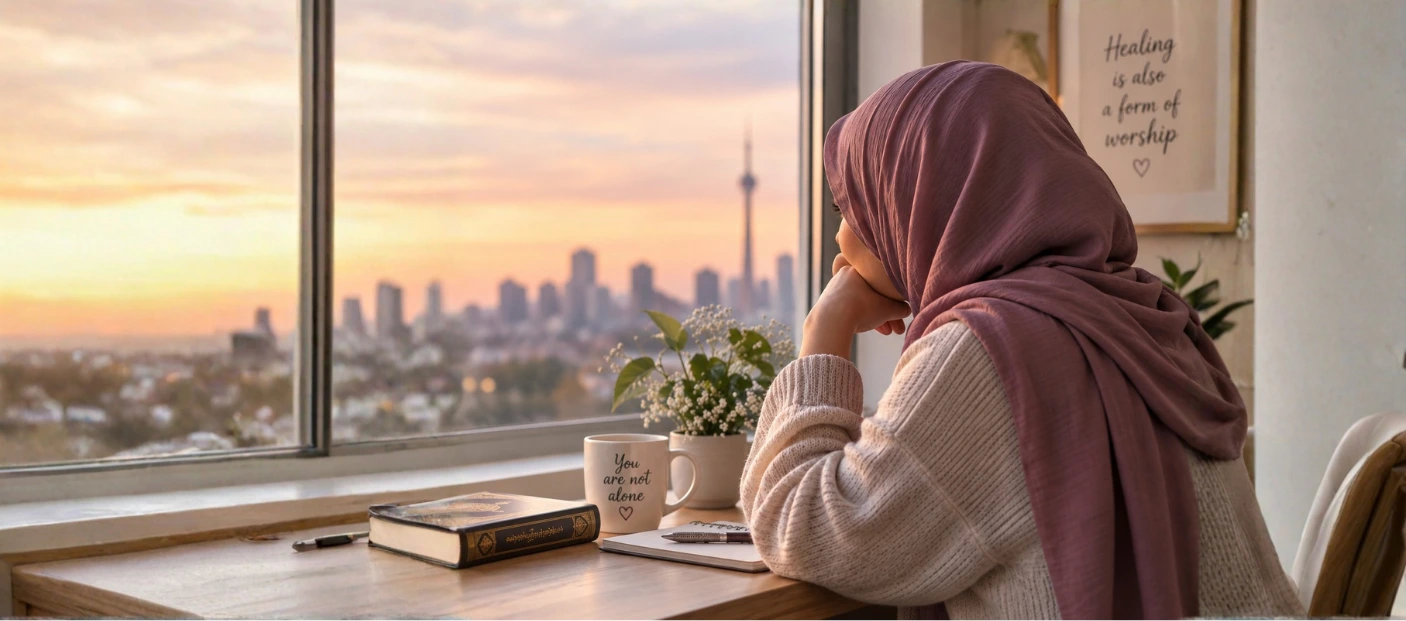
Sometimes, the hardest words to say are simply:
“I need help.”
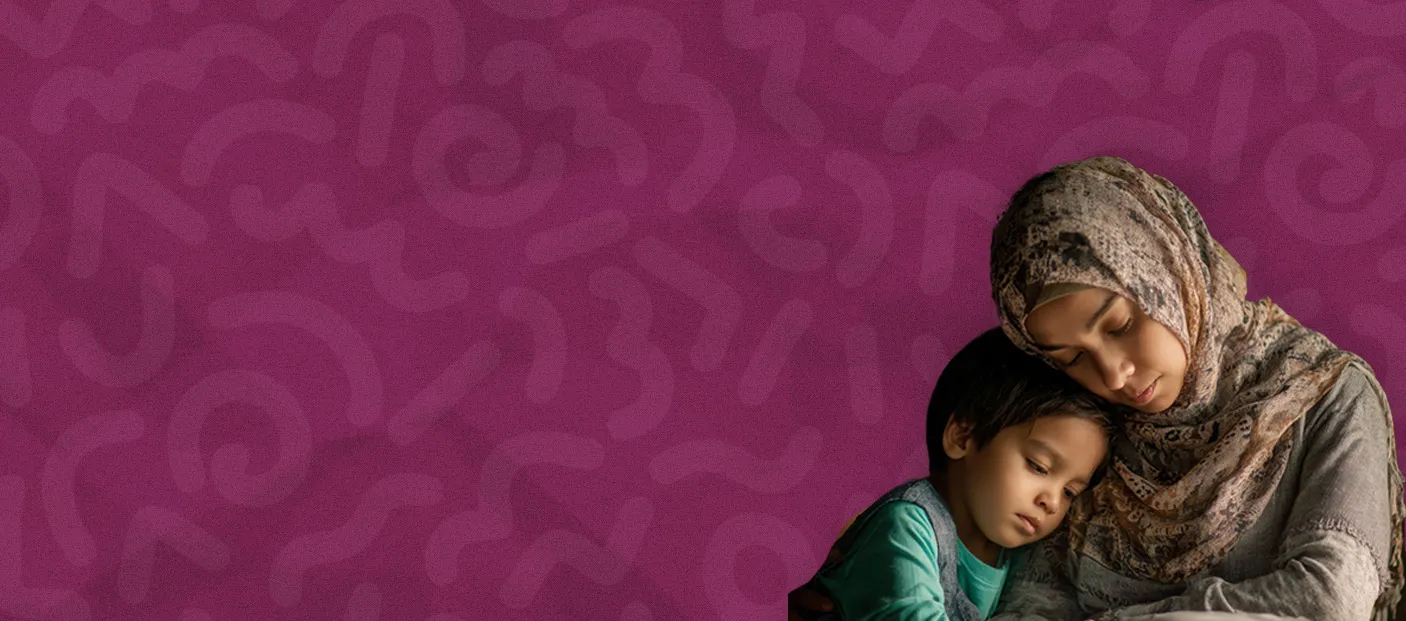
For many Muslim women, reaching out for mental health support can feel more complicated than recognizing that something is wrong.
You may be exhausted, anxious, overwhelmed, grieving, or struggling to get through the day. Yet instead of asking for support, you tell yourself to be patient. To make more dua. To keep going. To think about everyone else who depends on you.
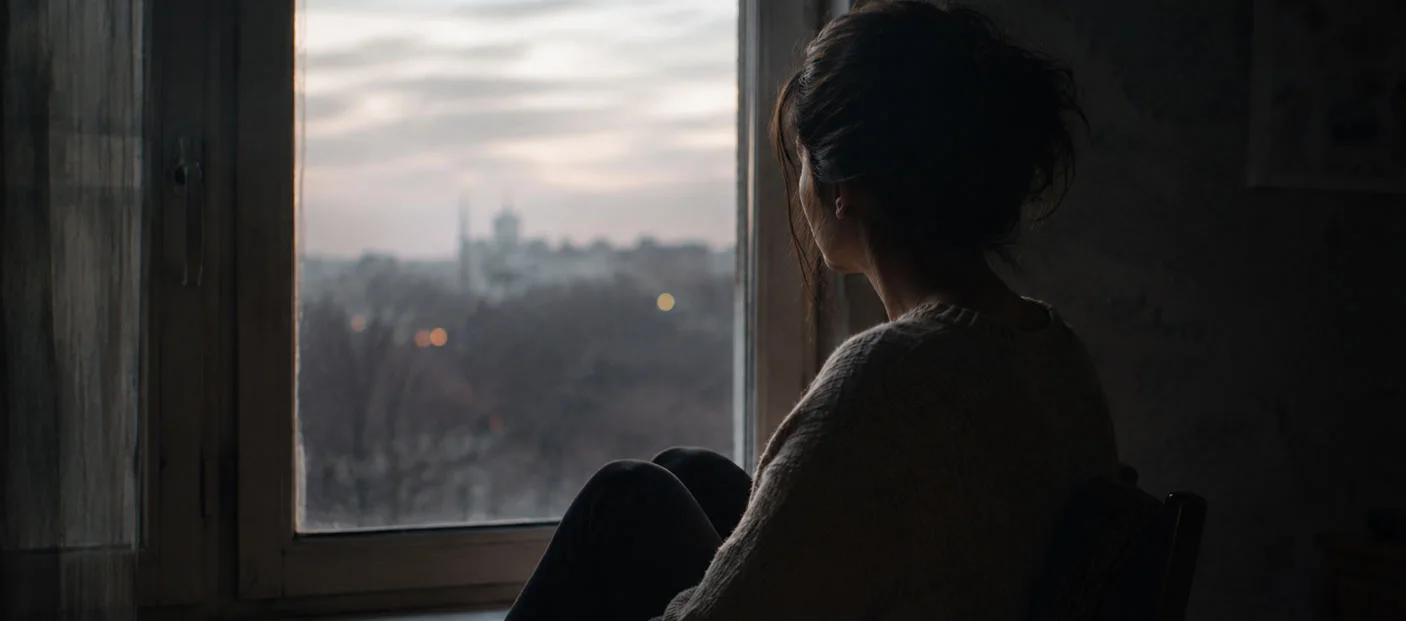
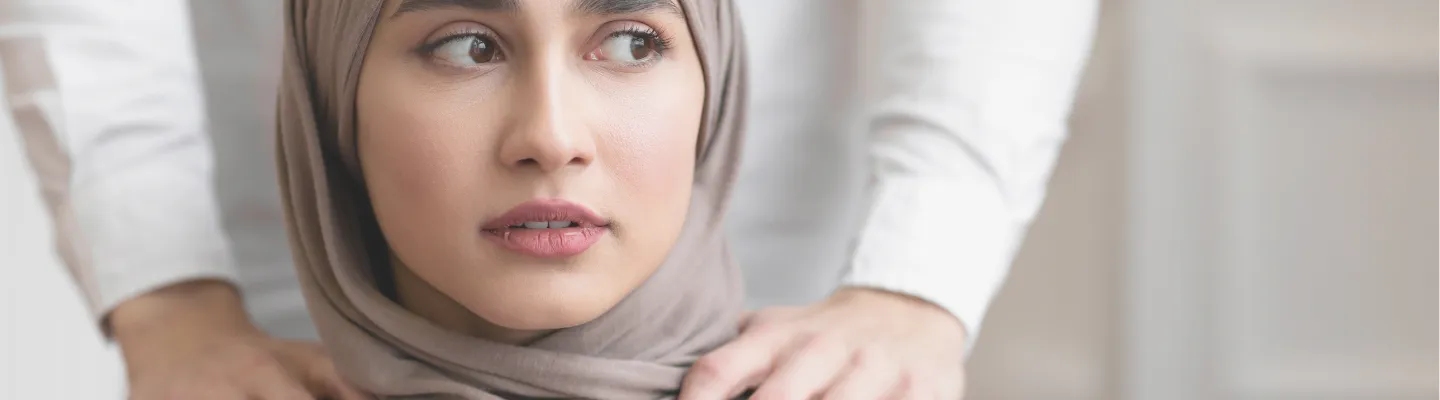
And sometimes, you stay silent because you are afraid of what might happen if you speak.
This October, as we mark World Mental Health Day, it is important to talk not only about mental health, but also about the barriers that can make asking for help feel so difficult.
Every woman’s experience is different, and so are the circumstances that shape when, how, or whether she feels able to reach out for support. For some women, that decision may be influenced by:
These challenges are also reflected in research examining mental health services for Muslim women, which has identified barriers such as difficulty seeking help, limited awareness of available support, concerns around trust, and the need for greater cultural responsiveness in mental health care.1
Recognizing these barriers is important. Telling someone to “just ask for help” is very different from creating an environment where she feels understood, supported, and safe enough to reach out in the first place.
That fear of judgment can have a real impact on whether women seek support. Research involving more than 1,200 Muslim women found that stigma was the strongest factor studied in predicting negative attitudes toward using professional mental health services.2
Mental health stigma can make people worry that admitting they are struggling will change the way others see them.
A woman may wonder:
Will my family think I am weak? Will people talk about me? Will I be judged as a mother or wife? Will someone think there is something wrong with my faith?
That fear of judgment can be powerful.
Mental health struggles are health struggles. Experiencing anxiety, depression, trauma, burnout, or overwhelming stress is not a character flaw, a personal failure, or something someone should simply be expected to “push through.”
Like any other health challenge, mental health struggles can affect how a person feels, thinks, functions, and moves through daily life. They deserve care, understanding, and support.
And needing that support does not make someone weak or less worthy of respect. Every person deserves to be met with dignity, compassion, and the opportunity to heal without shame.
Faith can be an incredible source of comfort, hope, and resilience during difficult times. But sometimes mental health struggles are incorrectly treated as proof that someone is not praying enough, trusting Allah enough, or being grateful enough.
A woman can love Allah deeply and still struggle with her mental health. She can make dua and speak with a therapist. She can rely on Allah and ask someone she trusts for support. She can have tawakkul and take practical steps toward healing.
Seeking professional help does not have to compete with faith. For many women, spiritually and culturally sensitive care can allow both to exist together.
Many women become the person everyone else depends on. They care for children, support aging parents, manage households, work, study, show up for friends, and carry invisible emotional responsibilities that no one else sees.
When you are used to being the person who helps everyone else, becoming the person who needs help can feel uncomfortable. You may even believe that taking time for yourself is selfish.
But constantly pouring from an empty cup eventually affects you, too.
You do not have to reach a breaking point before your needs are important enough to deserve attention.
Asking for help requires vulnerability. That becomes even harder when you are worried that the person on the other side may not understand your faith, language, culture, family dynamics, hijab, immigration experience, racism, Islamophobia, or the pressures you are carrying.
You should not have to spend your entire session defending or explaining your identity before you can talk about why you are hurting.
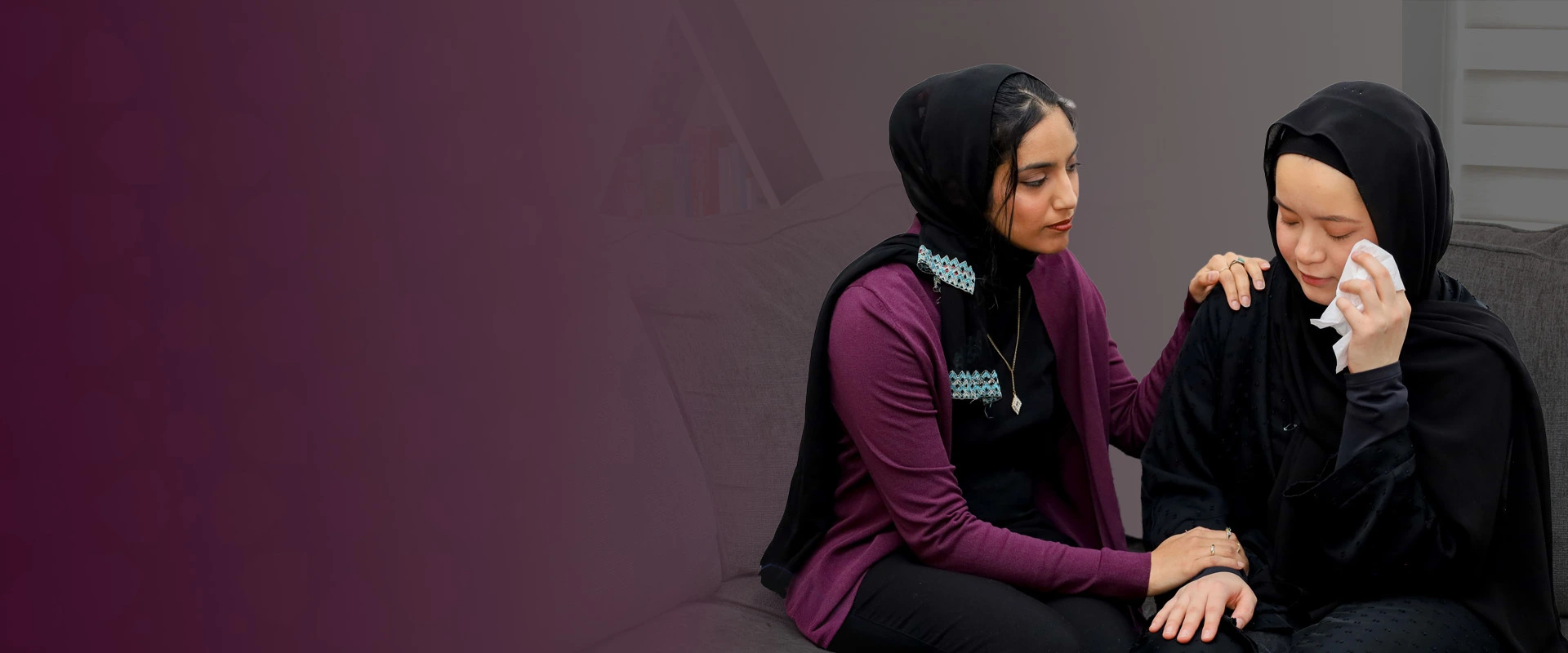
Culturally sensitive mental health support can help create a space where women feel understood rather than judged. That sense of trust can make taking the first step a little easier.
Through Nisa Mental Health, women across Canada can access free counselling with licensed therapists who provide compassionate, culturally sensitive support. Whether you are navigating anxiety, depression, trauma, stress, relationship challenges, or simply need a safe space to talk, support is available without having to leave your faith or identity at the door.
Get support through Nisa Foundation →
Not every barrier is emotional.
Therapy can be expensive. Transportation can be difficult. Childcare may not be available. Language can be a barrier. Some women may have little privacy at home.
For women experiencing abuse or financial control, reaching out may carry additional risks.
These barriers are real. And recognizing them helps us move away from asking, “Why didn't she get help?”
A better question is:
“What would make help easier and safer for her to access?”
Support is not only for moments of crisis.
Maybe you have been feeling anxious for weeks.
Maybe you cannot sleep.
Maybe everything feels heavier than it used to.
Maybe you are constantly irritated, exhausted, disconnected, or overwhelmed.
Maybe nothing dramatic has happened at all, you simply know that you haven't felt like yourself lately.
That is enough reason to talk to someone.
You do not need to prove that your pain is “serious enough” before asking for help.
Getting support does not have to begin with telling your entire story.
It can start with one sentence:
“I've been having a hard time lately.”
It can be sending a message to someone you trust. It can be calling a helpline. It can be booking one counselling appointment. It can be telling your doctor that you haven't been feeling like yourself.
Sometimes the first step is simply allowing another person to know that you are not okay.
World Mental Health Day is a reminder that people with lived experience should not only be heard, but should help shape the way we understand and respond to mental health.
That work begins in our own homes, families, and communities.
It can look like listening without rushing to offer advice. Challenging the shame and stigma that can surround mental health. Resisting the urge to tell someone to simply “pray more.” And recognizing that faith and professional support do not have to exist in opposition to one another.
Most importantly, it means creating spaces where someone can say, “I need help,” without fearing judgment, dismissal, or shame.
Because asking for help can already feel difficult enough. Ma jiro dumar ay tahay inay kaligood wajahaan dhibaatada ay ku jiraan.
Isha xogta
1. Saleem, S. & Martin, S. L. “Raadinta caawimaad waa wax adag:” Tixgelinta bixinta adeegyada caafimaadka dhimirka ee haweenka Muslimka ah. Canadian Journal of Counselling and Psychotherapy.
Akhriso maqaalka
2. Ali, S., Elsayed, D., Elahi, S., Zia, B., & Awaad, R. Saadaalinta diidmada adeegyada rasmiga ah ee caafimaadka dhimirka ee haweenka Muslimka ah ee ku nool dalka Maraykanka. International Journal of Social Psychiatry.
Ka eeg PubMed




































.webp)


.webp)




.webp)





.svg)


.svg)


