

.svg)


DEEQ

Xadgudubka galmada waa arrin si qoto dheer u saldhigtay oo saamaysa shakhsiyaadka goobaha shaqada, dugsiyada, iyo bulshooyinka, gaar ahaan halkan Kanada. Sida lagu sheegay sahmin dhawaan ay samaysay Statistics Canada, ku dhawaad kala badh haweenka Kanada (47%) waxay soo sheegeen inay waligood la kulmeen dhibaateyn ama weerar galmo goobta shaqada.
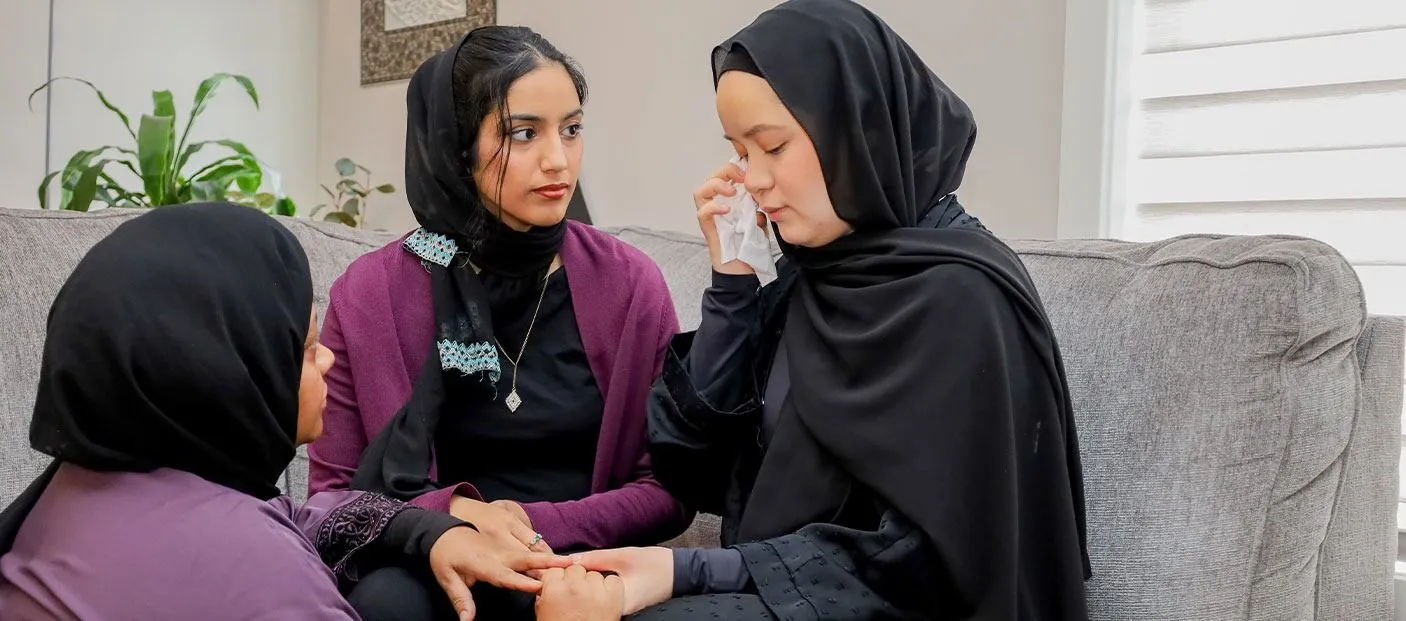
Inkasta oo waaya-aragnimadan ay tahay mid caadi ah, dhibanayaal badan oo xadgudubka galmada ah ma soo sheegaan. Nisa Foundation-ka, waxaan ognahay in aamusnaanta ay dhif tahay inay tahay doorasho; waxaa sameeya cabsi, sumcad-xumo, awood-isku-dheelitir la'aan, iyo la'aanta nidaamyo taageero.
Marka halkii aan ka waydiin lahayn "Maxay dhibanayaasha ahi u hadli waayaan?", waa inaan waydiinna:
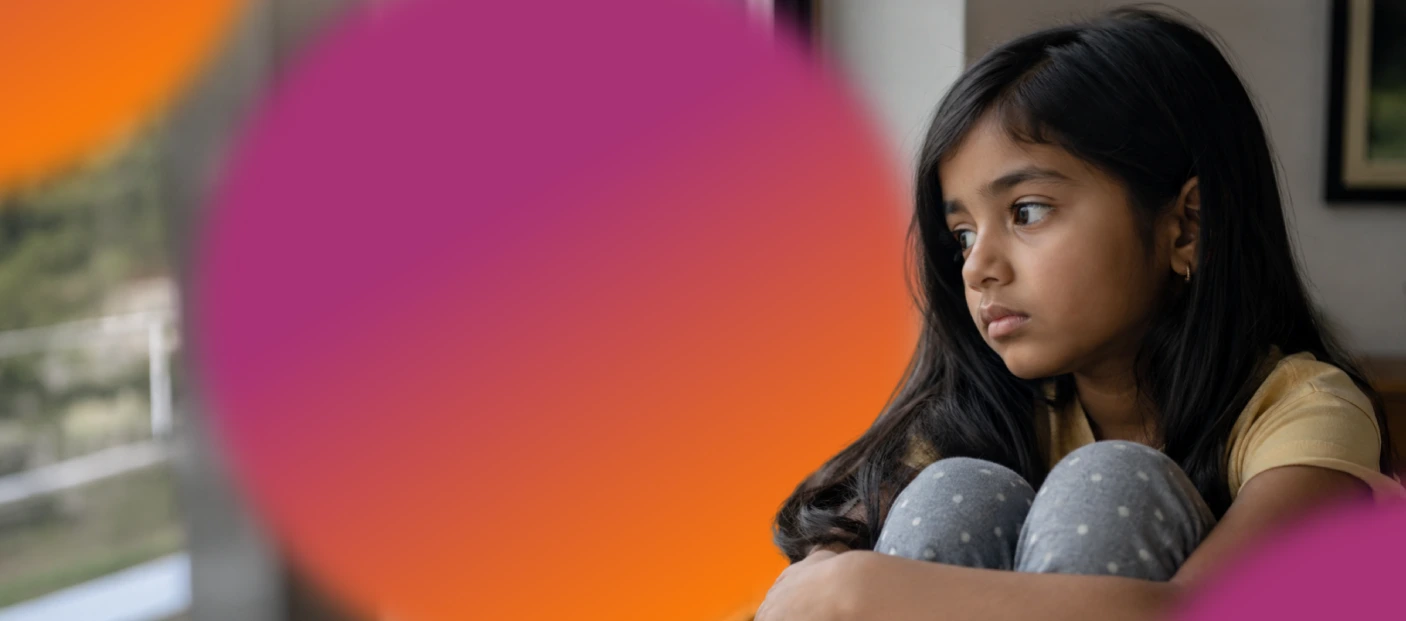
Maxaa ka dhigaya mid adag ama aan ammaan ahayn inay sidaas sameeyaan?
Xadgudubka galmada iyo rabshadaha waxay ka mid yihiin waxyeelooyinka ugu yar ee la soo sheego gudaha Kanada. Xogta heer qaran waxay soo jeedinaysaa in boqolkiiba yar oo kaliya oo ah weerarrada galmada la soo sheego booliiska, kuwaas oo gaaraya ilaa 6%, sababtoo ah dhibanayaasha waxay ka cabsadaan inaan la rumaysan, aargudasho, ama cawaaqib xun.
Farqiga u dhexeeya waaya-aragnimada iyo soo-sheegista wuxuu iftiiminayaa sida aamusnaantu ay inta badan tahay jawaabta caqabado dhab ah, mana aha la'aanta geesinimo ama rabitaanka caddaaladda.
Dhibanayaal badan waxay ka cabsadaan inay waayaan shaqadooda, inay sumcadooda waxyeelo gaadho, ama inay la kulmaan ka-saarista bulshada. Cabsidan ayaa si gaar ah u xoogan marka qofka wax dhibaateynaya uu haysto awood ama saameyn.
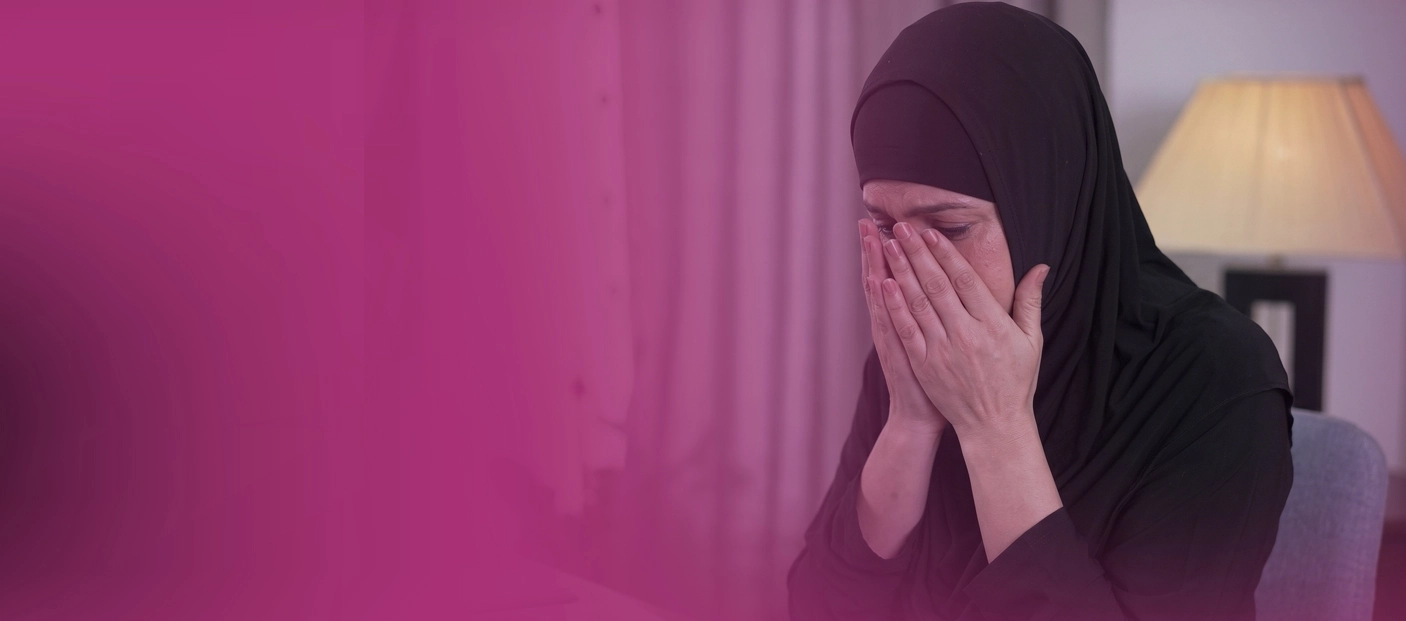
Dhibanayaasha waxay gudaha ka dareemi karaan waaya-aragnimada, iyagoo dareemaya ceeb ama mas'uuliyad, inkasta oo waxyeelladu aanay marnaba iyaga eedooda ahayn. Caqabadahan shucuureed ayaa ka dhigaya in la hadlo mid aad u adag.
Caqabad weyn oo horjoogta soo-sheegista waa cabsida laga qabo in la iska indhatiro ama dhibbanaha la eedeeyo. Marka dadku ay filayaan shaki, waxay u badan tahay inay soo baxaan.
Xadgudubka galmada ayaa inta badan dhaca xaalado ay ka jirto awood-isku-dheelitir la'aan, sida inta u dhaxaysa loo-shaqeeyayaasha iyo shaqaalaha, barayaasha iyo ardayda, ama hoggaamiyayaasha iyo xubnaha bulshada.
Xitaa marka ay jiraan hababka wax lagu soo sheego, dhibanayaal badan waxay dareemaan inaanay keenin tallaabo wax ku ool ah. Xogta laga helay sahminnada goobaha shaqada ee federaalka waxay muujineysaa in inkasta oo ku dhawaad 20% shaqaalaha ay soo sheegeen inay la kulmeen xadgudub galmo, soo-sheegista rasmiga ah ay weli hoosayso, qayb ahaan ay sabab u tahay kalsooni la'aanta natiijooyinka.
Bulshooyinka qaarkood, oo ay ku jiraan deegaannada diiniga ah, dhibanayaasha waxaa laga yaabaa inay dareemaan cadaadis inay aamusnaadaan si looga fogaado sumcad-xumada, loo ilaaliyo sumcadda qoyska, ama loo ilaaliyo isku-duubnida bulshada. Barnaamijyada Nisa Learning ee Nisa Foundation, waxaan ku shaqaynaa sidii loo abuuri lahaa goobo dhaqan ahaan u habboon, oo aan eex lahayn, halkaas oo dhibanayaasha ay ku dareemaan ixtiraam iyo taageero.
Dhaawacu wuxuu saameeyaa sida dhibanayaasha ay u habeeyaan waaya-aragnimadooda. Kuwo badan waxay u baahan yihiin waqti ay ku fahmaan oo ay ku muujiyaan waxa dhacay ka hor intaysan dareemin inay diyaar u yihiin inay ka hadlaan.
Halkii aan culeyska saari lahayn kuwa badbaaday, waa in aan beddelnaa aragtidayada:
Isbadalkani wuxuu naga fogeynayaa eedda dhibbanaha oo u jihaysan la xisaabtanka iyo daryeelka.
Hay'adda Nisa, taageeridda haweenka ay saamaysay dhibaataynta galmada iyo xadgudubka ayaa udub dhexaad u ah himiladeena. Waxaa naga go'an:
Waxaan aqoonsannahay in aamusnaanta jebintu aysan u baahnayn oo keliya geesinnimada badbaadayaasha laakiin sidoo kale waxay u baahan tahay nidaamyo taageero oo xooggan oo la aamini karo.
Abuuritaanka isbeddel macno leh waxay u baahan tahay masuuliyad wadareed:
1. Dhagayso xukun la'aan: Rumayso kuwa badbaaday oo ansixi waaya-aragnimadooda.
2. La tartamo sheekooyinka waxyeelada leh: Ka hadal eedaymaha dhibbanaha iyo macluumaadka khaldan.
3. Dhis Goobo Badbaado iyo Taageero leh: Hubi jawiga ay shakhsiyaadku ku dareemaan warbixin sugan iyo wadaaga khibradahooda.
4. Kordhinta Wacyigelinta: Waxbarashadu waxay gacan ka geysataa dhimista ceebeynta waxayna awood u siisaa bulshada inay si habboon uga jawaabaan.
5. Ururada Taageerada Sida Nisa Foundation: Ururada bulshada ku salaysan waxay door muhiim ah ka ciyaaraan bixinta taageero la heli karo, dhaqan ahaan.
Aamusnaanta ku xeeran dhibaataynta galmoodka waxa qaabeeya baqdin, ceebayn, firfircooni xoog leh, iyo daldaloolo habaysan, maaha geesinimo ama run la'aan.
Hay'adda Nisa, waxaan aaminsanahay in jebinta aamusnaantan ay u baahan tahay naxariis, wacyigelin, iyo ficil wadareed. Marka badbaadayaashu ay la kulmaan aaminaad, ixtiraam, iyo taageero, waxay aad ugu dhowdahay inay soo baxaan oo bilaabaan safarka bogsashada.













































.webp)


.webp)









.webp)






.svg)


.svg)


