

.svg)


FAIRE UN DON

Les dix premiers jours de Dhul Hijjah comptent parmi les jours les plus bénis et les plus importants spirituellement en Islam. Allah le Tout-Puissant le garantit dans le Coran:
“Par l’aube et par les dix nuits.” (Sourate Al-Fajr 89:1–2)
Ces jours-ci représentent une occasion en or pour les musulmans du monde entier d'intensifier leurs prières, de rechercher le pardon et de se rapprocher d'Allah par la prière, la charité, le souvenir et le jeûne.
À l'approche de Dhul Hijjah chaque année, de nombreux musulmans se posent une question importante :
Le jeûne des 9 jours de Dhul Hijjah est-il obligatoire en Islam ?
En résumé : non, ce n'est pas nécessaire.
Mais la réponse complète contient des détails importants sur les jours recommandés, ceux qui sont interdits et comment maximiser les récompenses pendant cette période sacrée.
Le jeûne des neuf jours de Dhul Hijjah n'est pas obligatoire en Islam.
En islam, le jeûne n'est obligatoire que durant le mois de Ramadan. Tout jeûne en dehors de Ramadan est considéré comme surérogatoire (nafl ou sunna) sauf prescription spécifique.
Les principales décisions comprennent:
Cela signifie que nous ne devons pas nous sentir obligés de jeûner pendant les 9 jours, mais plutôt privilégier la qualité du culte à la quantité.
Le Prophète Muhammad ﷺ a dit:
“Il n'y a pas de jours où les bonnes actions sont plus aimées d'Allah que ces dix jours-là.” (Sahih al-Bukhari)
Ces journées combinent plusieurs actes de culte qui ne sont pas tous présents à d'autres moments de l'année, notamment:
C’est pourquoi les érudits soulignent que les bonnes actions accomplies durant ces jours sont récompensées au centuple.
Le jeûne pendant les neufpremiers jours est une pratique Sunnah forte pour ceux qui en sontcapables. Même si une personne ne peut pas jeûner les neuf jours, jeûnerquelques-uns d'entre eux est toujours très récompensé.
Ces jours sont une opportunitépour:
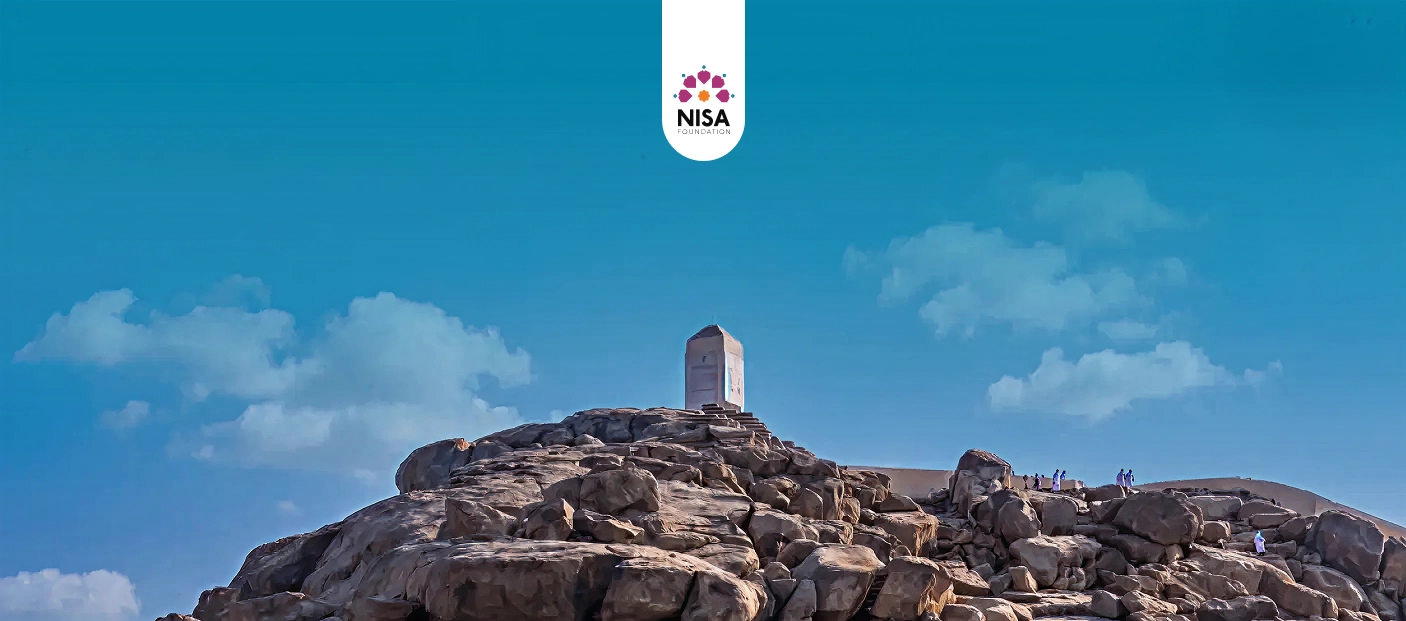
Le jour de jeûne le plus significatif deDhul Hijjah est le jour d'Arafah pour ceux qui n'accomplissent pas leHajj.
Le Prophète ﷺ a dit:
“Le jeûne du jour d'Arafahexpie les péchés de l'année précédente et de l'année à venir.” (Sahih Muslim)
Cela en fait l'un des jeûnes volontaires lesplus gratifiants en Islam.
Les bienfaits du jeûne à Arafah incluent:
Le 10e jour de Dhul Hijjah marque l'Aïd al-Adha. Ce jour-là:
Il s'agit d'une précision importante, car certains croient à tort que le jeûne se poursuit pendant les dix jours.
Une idée fausse très répandue est que le jeûne des dix jours de Dhul Hijjah est obligatoire ou fortement recommandé.
En réalité:
L'islam prône l'équilibre et la facilité, et non les difficultés.
Le jeûne durant ces jours bénis procure de nombreux bienfaits spirituels:
1. Renforcer la Taqwa: Le jeûne contribue à développer la maîtrise de soi et la conscience d'Allah.
2. Récompense accrue pour les bonnes actions: Les bonnes actions accomplies durant ces jours sont récompensées à leur juste valeur.
3. En quête de pardon: Le jeûne, en particulier le jour d'Arafat, devient un moyen d'obtenir le pardon.
4. Préparation de l'Aïd al-Adha : Le jeûne et les prières accroissent la gratitude et la préparation spirituelle pour l'Aïd.
Le jeûne n'est qu'un aspect du culte. Les musulmans sont encouragés à augmenter:
Demander pardon et formuler des supplications personnelles.
Faire l'aumône aux nécessiteux multiplie les récompenses en ces jours bénis.
Même quelques versets par jour apportent d'immenses bénédictions.
Les prières surérogatoires (nawafil) renforcent le lien avec Allah.
Pour profiter pleinement de ces jours sacrés:
La constance et la sincérité comptent plus que la perfection.
Le jeûne des neuf jours de Dhul Hijjah n'est pas obligatoire en Islam, et les musulmans ne doivent pas s'y sentir obligés. L'important est plutôt d'accroître sa pratique religieuse de manière équilibrée et significative.
Le véritable point culminant de ces jours bénis est le jour d'Arafat, jour de pardon, de miséricorde et d'immense récompense.
À la Fondation Nisa, nous encourageons les musulmans à se préparer tôt, à multiplier leurs bonnes actions et à profiter pleinement de cette période sacrée avant l'arrivée de l'Aïd al-Adha.



































































.webp)


.webp)
















.webp)







.svg)


.svg)


